
All articles
-
Missions
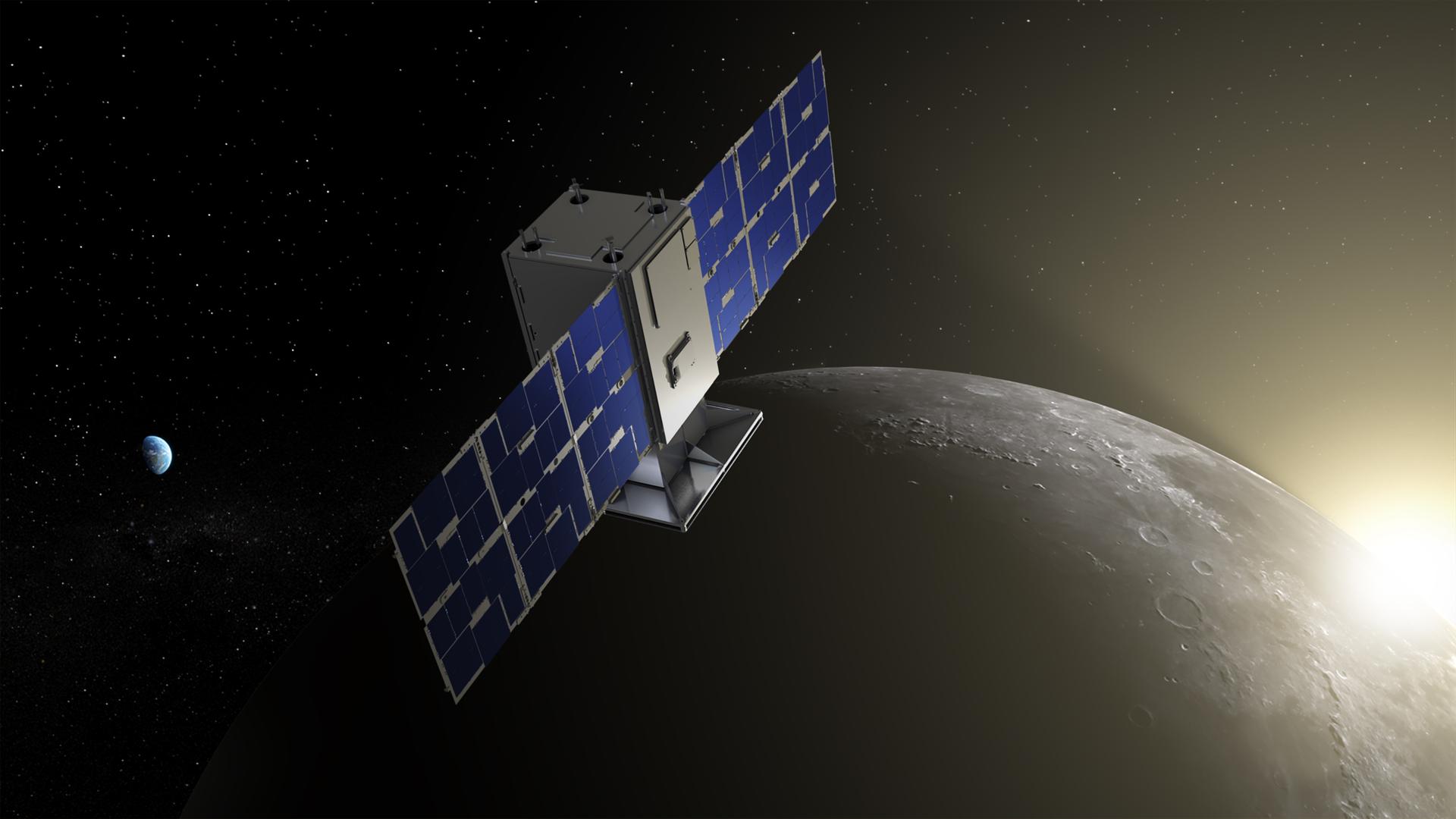
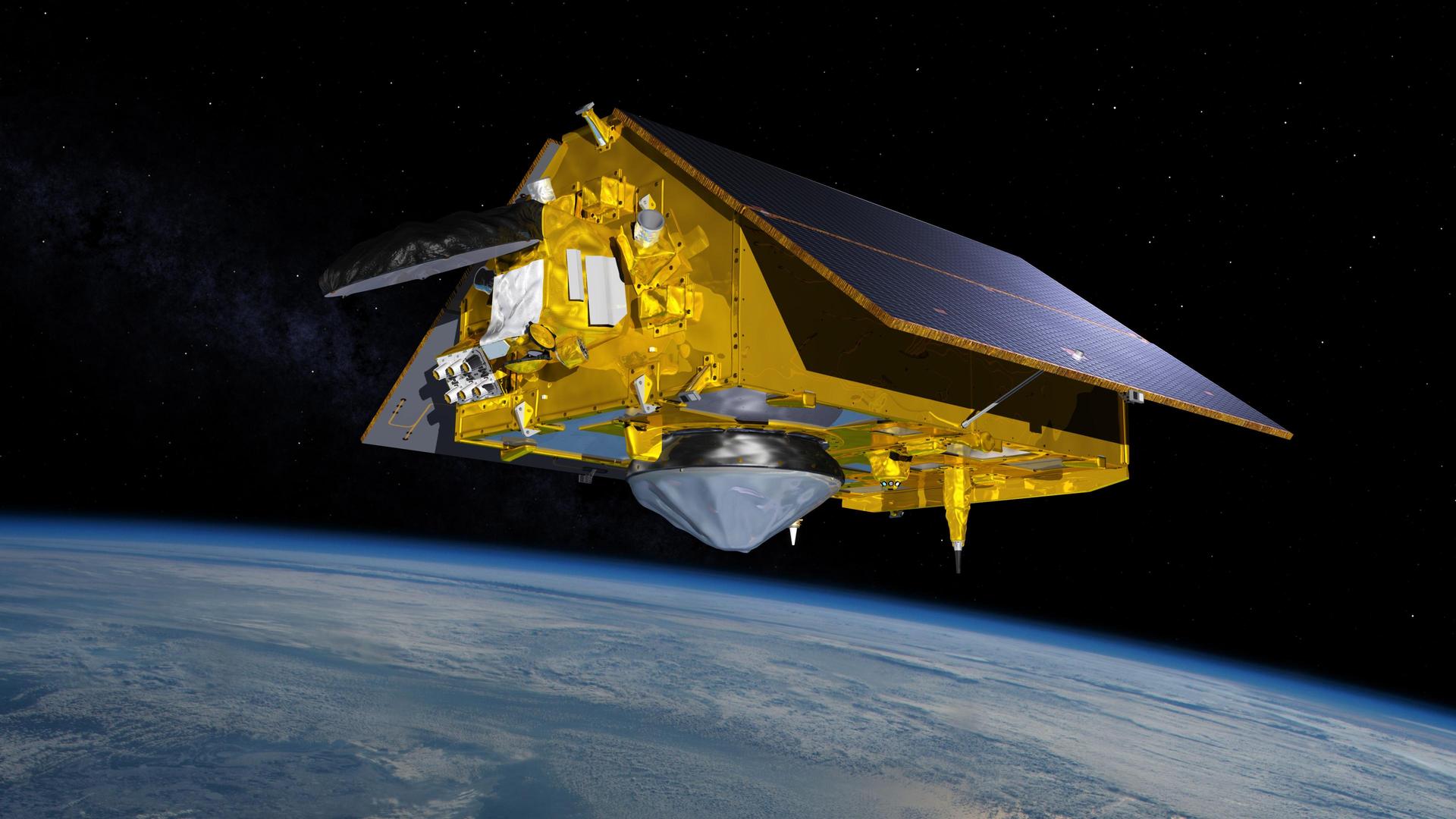
CAPSTONE 02: NASA's Twin Smallsats Will Rehearse the Hardest Trick in Cislunar Space
NASA has announced CAPSTONE 02, a pair of identical ~400 kg spacecraft launching in 2027 into a near-rectilinear halo orbit to practice rendezvous, autonomous navigation and cislunar comms — groundwork for Artemis and a future lunar base.
-
Commercial
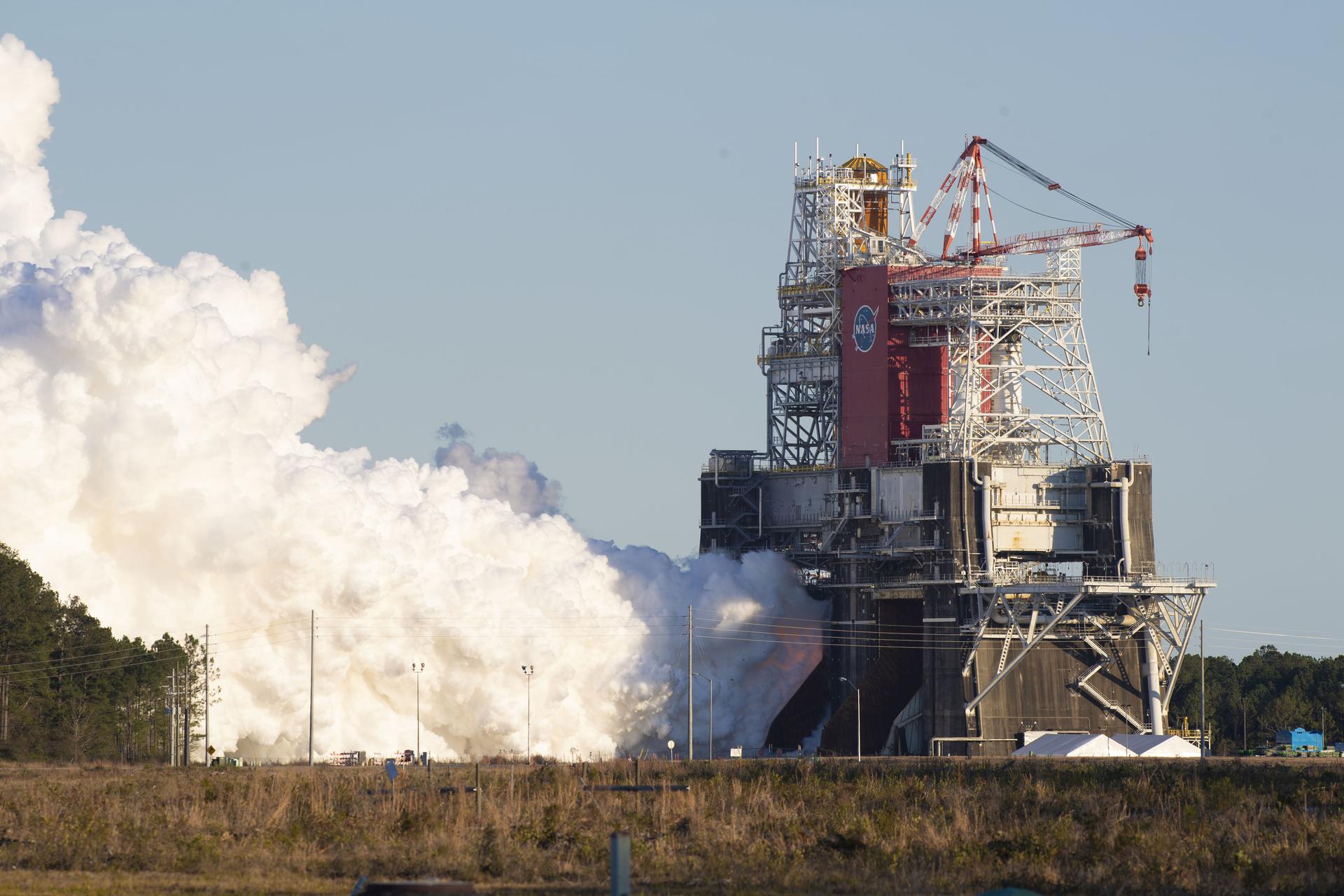
NASA Reopens Stennis' B-2 Stand to Hot-Fire New Glenn's Hydrogen Upper Stage
NASA and Blue Origin have agreed to prep the historic B-2 test stand at Stennis to hot-fire New Glenn's two-engine, LOX/LH2 second stage this fall — a move that ties the rocket's readiness directly to Artemis.
-
NASA & Agencies
'A Quick Path to Yes': Commerce Starts Certifying the Space Missions Nobody Was Regulating
The Office of Space Commerce is moving its Space Commerce Certification program from proposal to practice, offering a voluntary 120-day "presumption of approval" for satellite servicing, commercial stations and debris removal — the missions Congress has never assigned to any regulator.
-
Science & Discovery
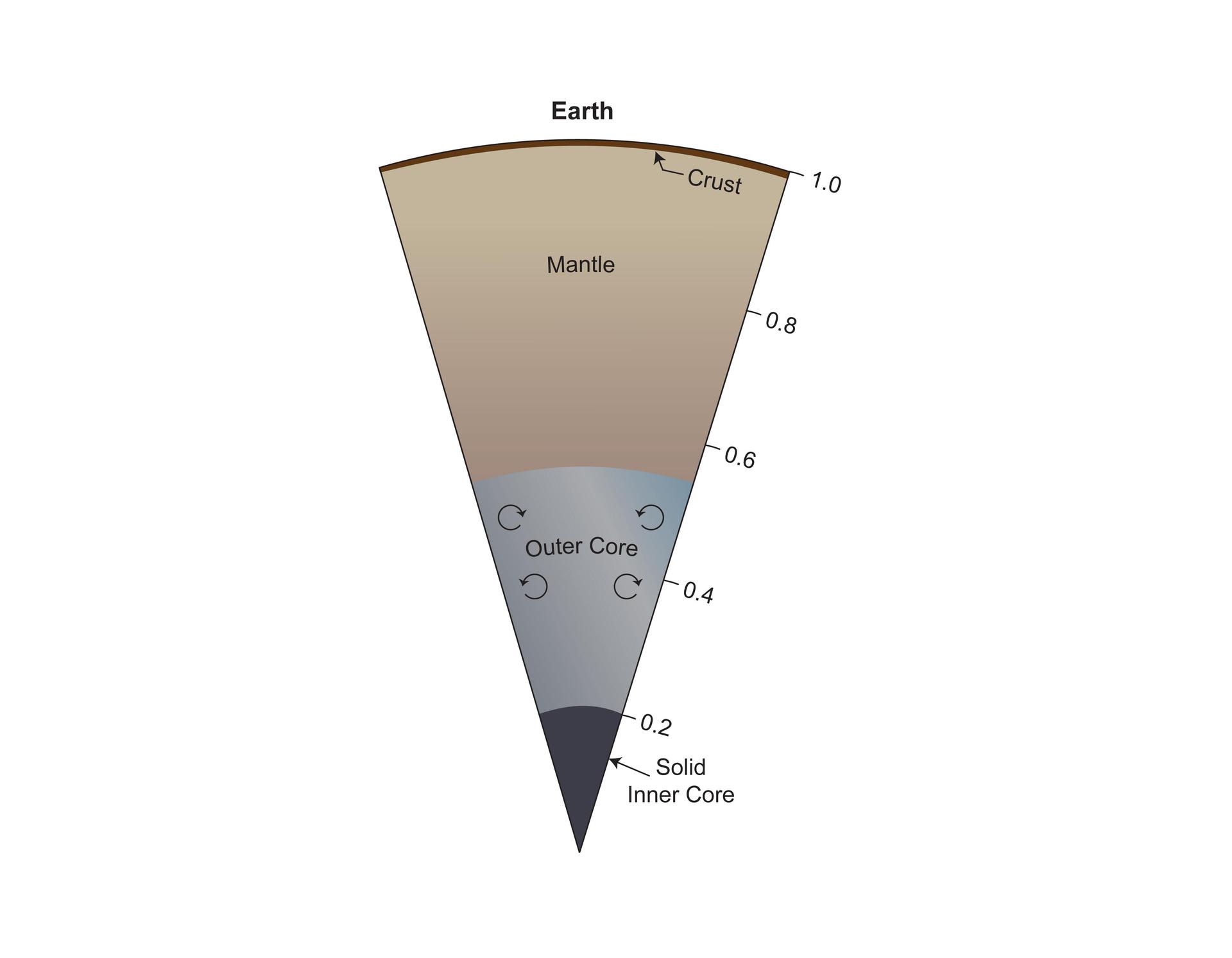
Earth's Deep Mantle Is Still Leaking Solar Nebula Gas — and It Says Proto-Earth Was About a Third of Today's Planet
Neon bubbling out of mid-ocean-ridge basalts can only have come from the solar nebula, and a new Planetary Science Journal paper uses it to pin the young Earth's mass at roughly 0.3 Earth masses — captured from a disk already depleted at least 100-fold.
-
Astronomy
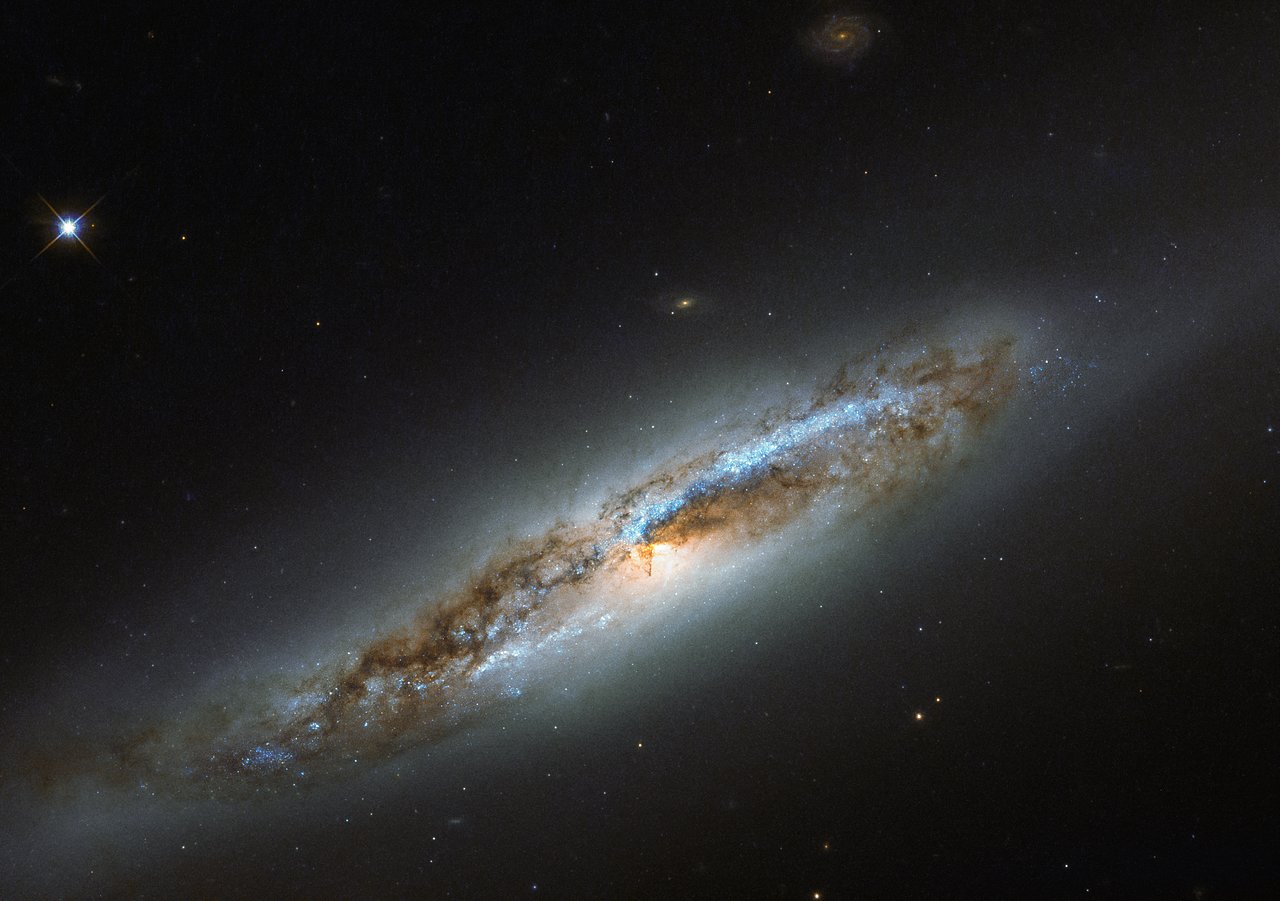
The Lopsided Galaxy: Hubble Catches NGC 4654 Squeezed on One Side, Stripped on the Other
A new Hubble image of NGC 4654, an intermediate spiral 72 million light-years away in the Virgo Cluster, shows a galaxy being compressed along one flank and unravelled along the other — the combined fingerprint of ram-pressure stripping and a tidal encounter with NGC 4639 some 500 million years ago.
-
Commercial
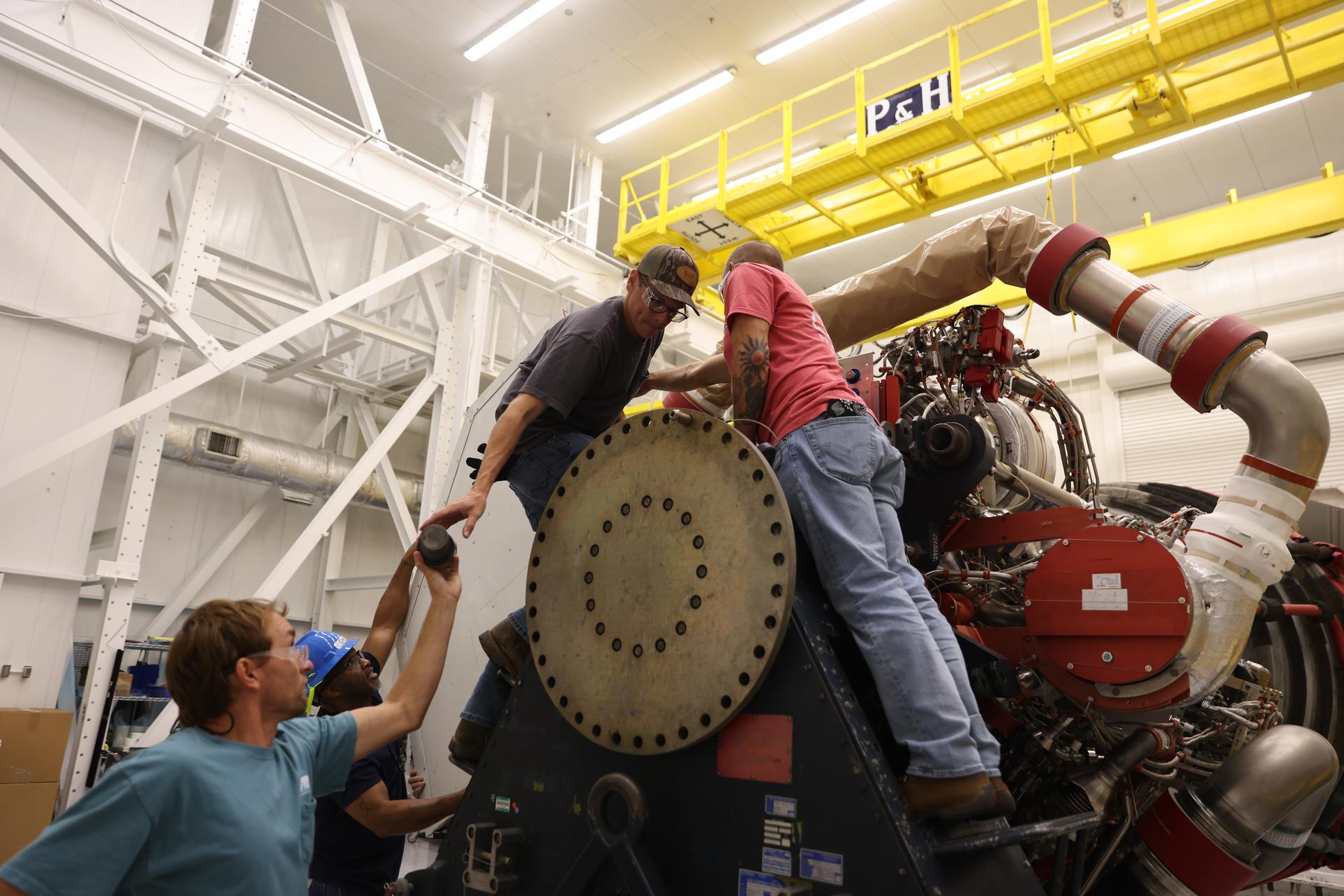
The Last of the Shuttle Engines: Four RS-25s Arrive at Michoud for Artemis III
L3Harris delivered four RS-25 engines with 36 shuttle flights between them to NASA's Michoud facility on July 22, 2026 — the final flight of Space Shuttle Main Engine heritage hardware before Artemis V switches to newly built, 3D-printed engines.
-
Military Space
The Nuke Detectors Riding Shotgun on GPS: NNSA Ships Its Fifth Next-Gen Global Burst Detector
NNSA has handed the Space Force its fifth next-generation Global Burst Detector, the multi-lab sensor payload that turns GPS satellites into a 24/7 nuclear detonation watch — announced the same day the Space Force offloaded its troubled M-code receiver program to the Air Force.
-
NASA & Agencies
NASA Lost 4,000 Civil Servants Last Year. GAO Says 25 of Its 36 Biggest Projects Are Already Feeling It
GAO's annual NASA project assessment is usually a story about hardware. This year it's a story about people: a 22 percent workforce cut, Goddard down 34 percent, Psyche delayed a year, and a proposed FY2027 budget that would cut another 20 percent.
-
Commercial
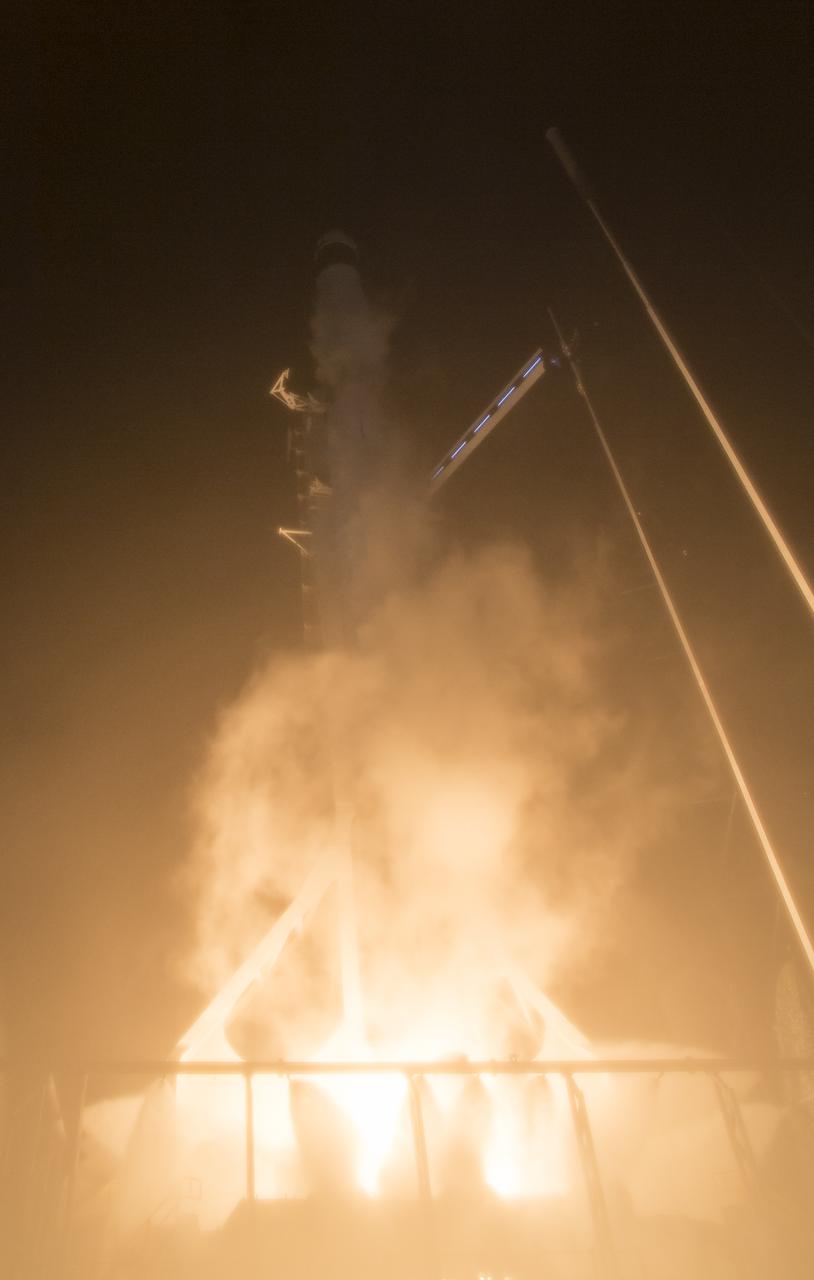
Lightning Hit a Long March 3B 30 Seconds Off the Pad — and the Rocket Kept Flying
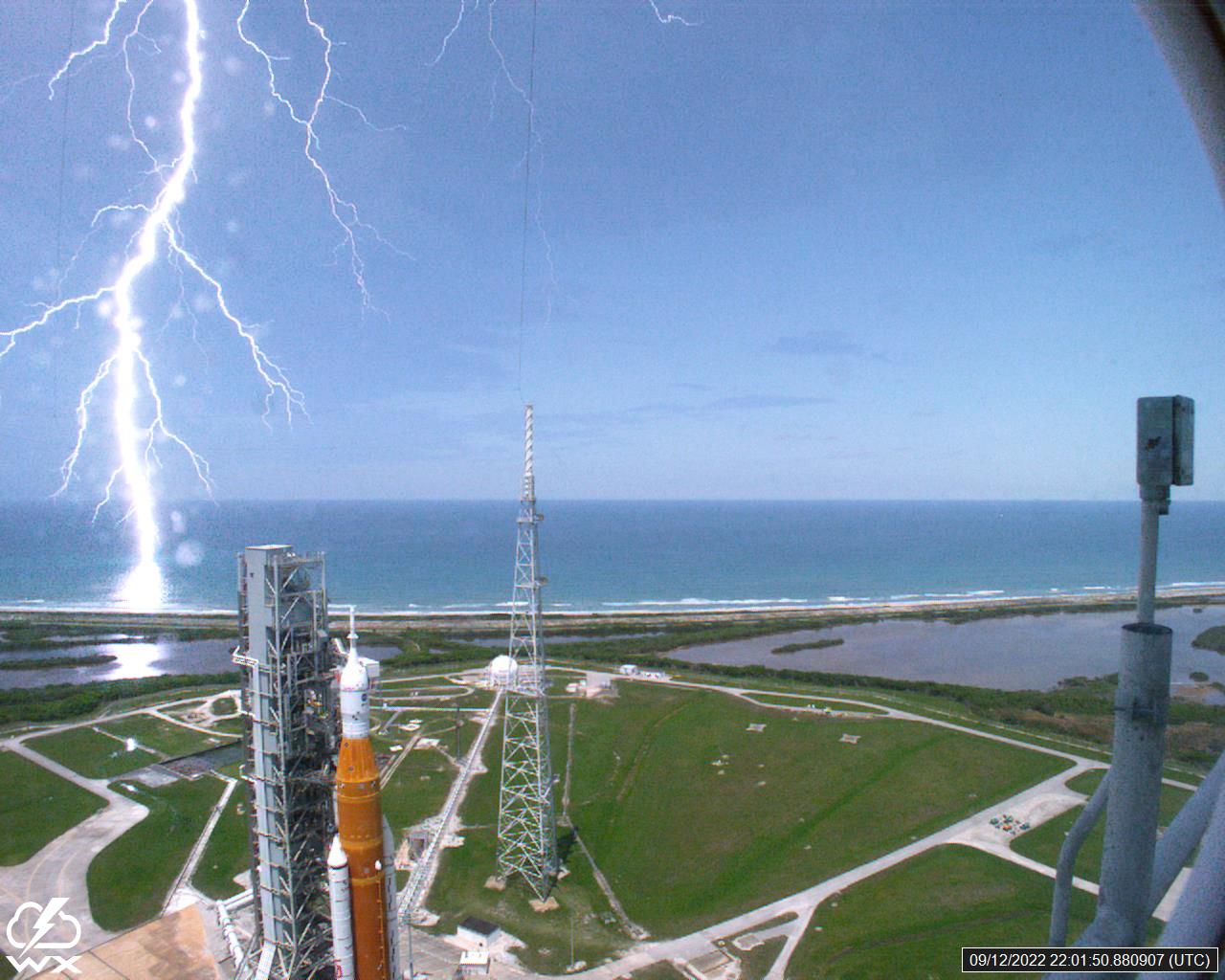
Amateur video caught a lightning bolt hitting a Long March 3B/E about 30 seconds after it left Xichang on July 23. The Tianlian II-06 relay satellite reached orbit anyway — and the footage raises an uncomfortable question about how differently launch ranges treat weather risk.
-
Missions
Mars Runs a Pocket-Sized Version of Earth's Aurora Engine, MAVEN Data Shows
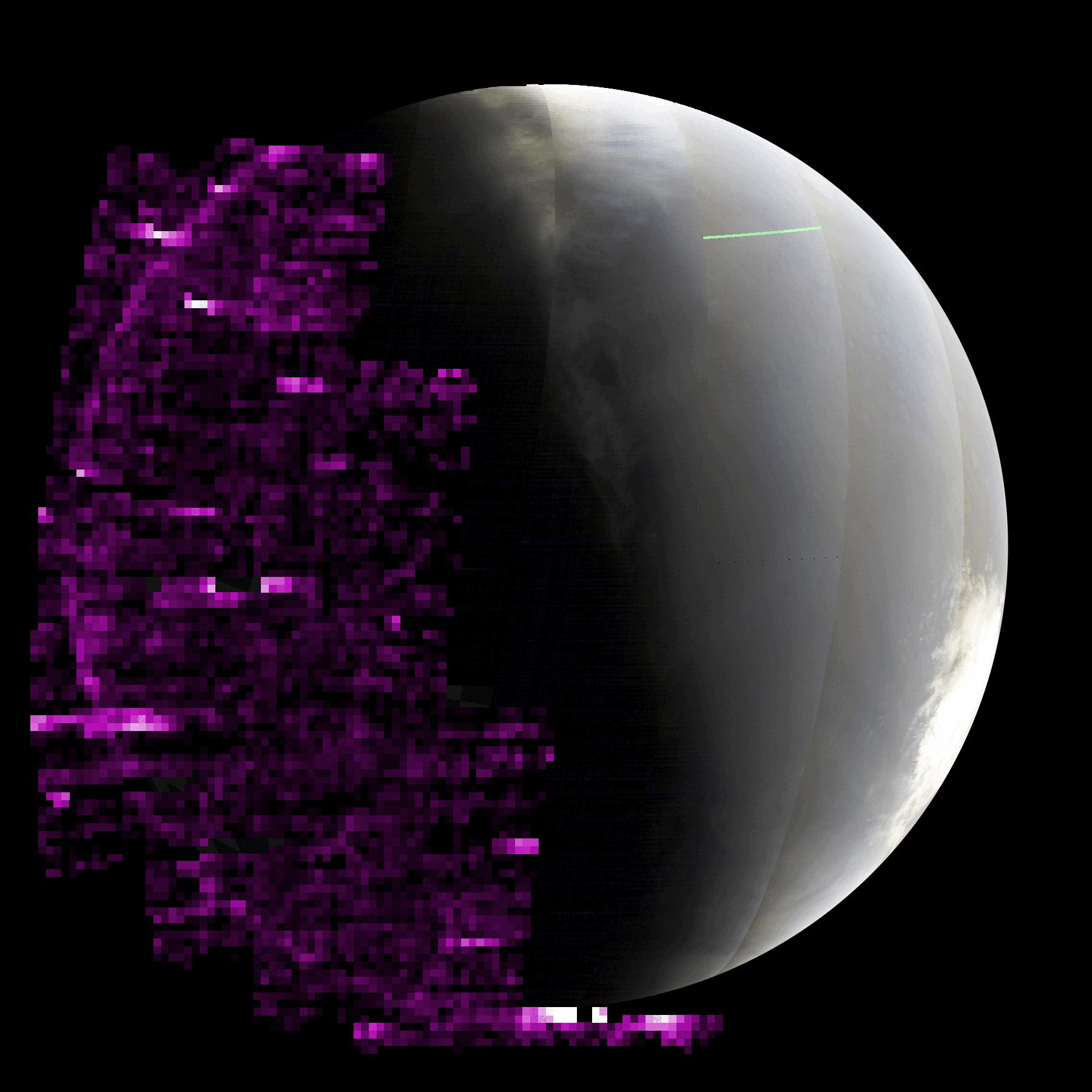
MAVEN data show Mars powers its discrete auroras with a miniature Dungey cycle running on 4-billion-year-old crustal magnetism — 42 of 49 events matched reconnection-friendly conditions. The orbiter died in 2025; the archive is still doing first-order science.
-
Military Space
China Rotated a Cold War Orbit Sideways — and Shijian-31 Now Sweeps the Entire GEO Belt
Commercial trackers say China's Shijian-31 has rotated the Soviet-era Molniya orbit onto the equator and detuned its period to 12.5 hours, letting one satellite sweep the entire geostationary belt from 2,000 km above it every 23 days.
-
Science & Discovery
Venus Is Not Dead: New 3D Rift Models Say the Planet Is Still Pulling Itself Apart
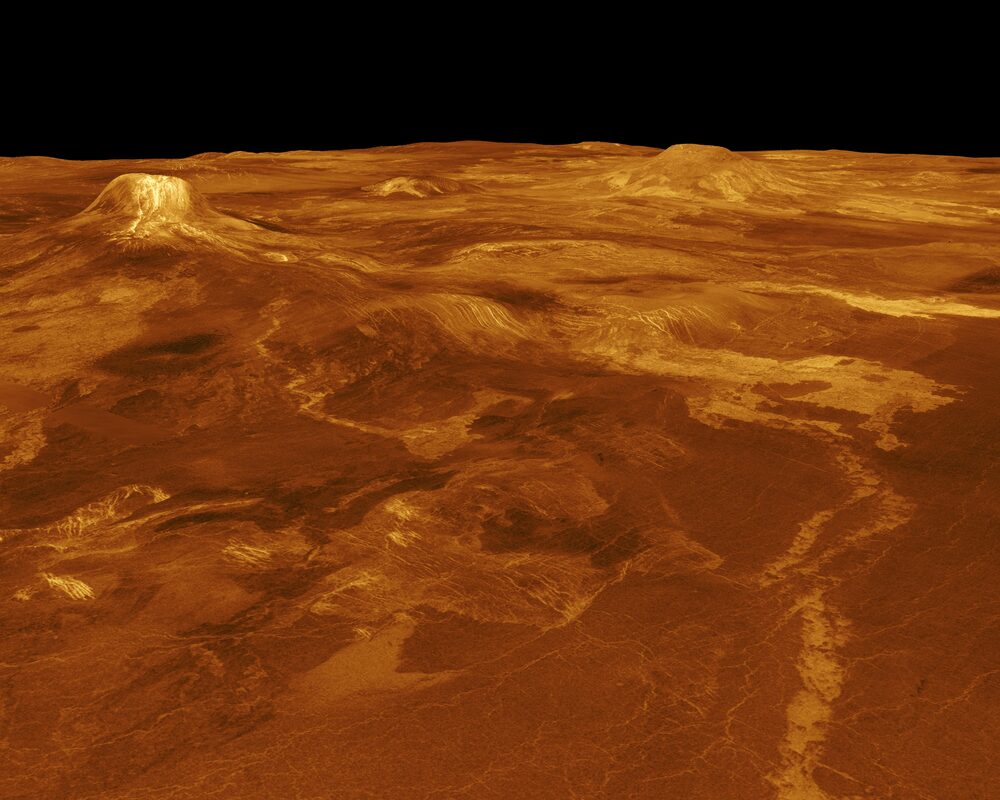
ETH Zurich's first high-resolution 3D simulations of Venusian rifting, published in Nature Geoscience, use the broad ridges flanking Venus's 10,000-km rift valleys as a geological clock — and conclude some rifts are still spreading at 3-10 cm per year.
Page 18 of 57