
All articles
-
Stargazing
A June 26 CME Is Inbound: NOAA Posts a Storm Watch and the Aurora Could Reach the Northern U.S.
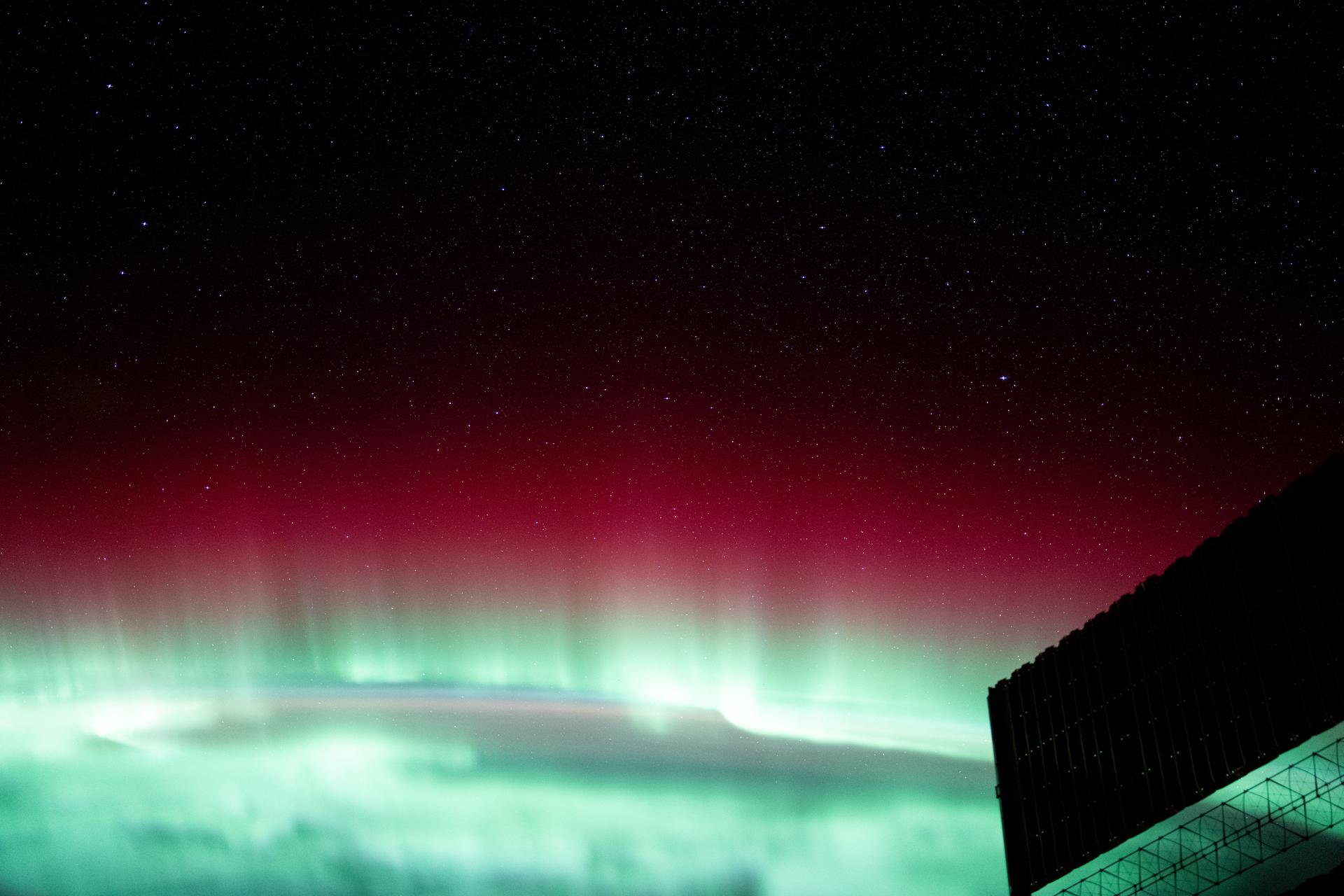
A coronal mass ejection that left the Sun on June 26 is forecast to reach Earth around June 30, and NOAA has issued a geomagnetic storm watch — with aurora possibly visible as far south as Seattle and Minneapolis.
-
Science & Discovery
Marsquakes Reveal a Hidden Magma Engine Beneath the Red Planet's Crust
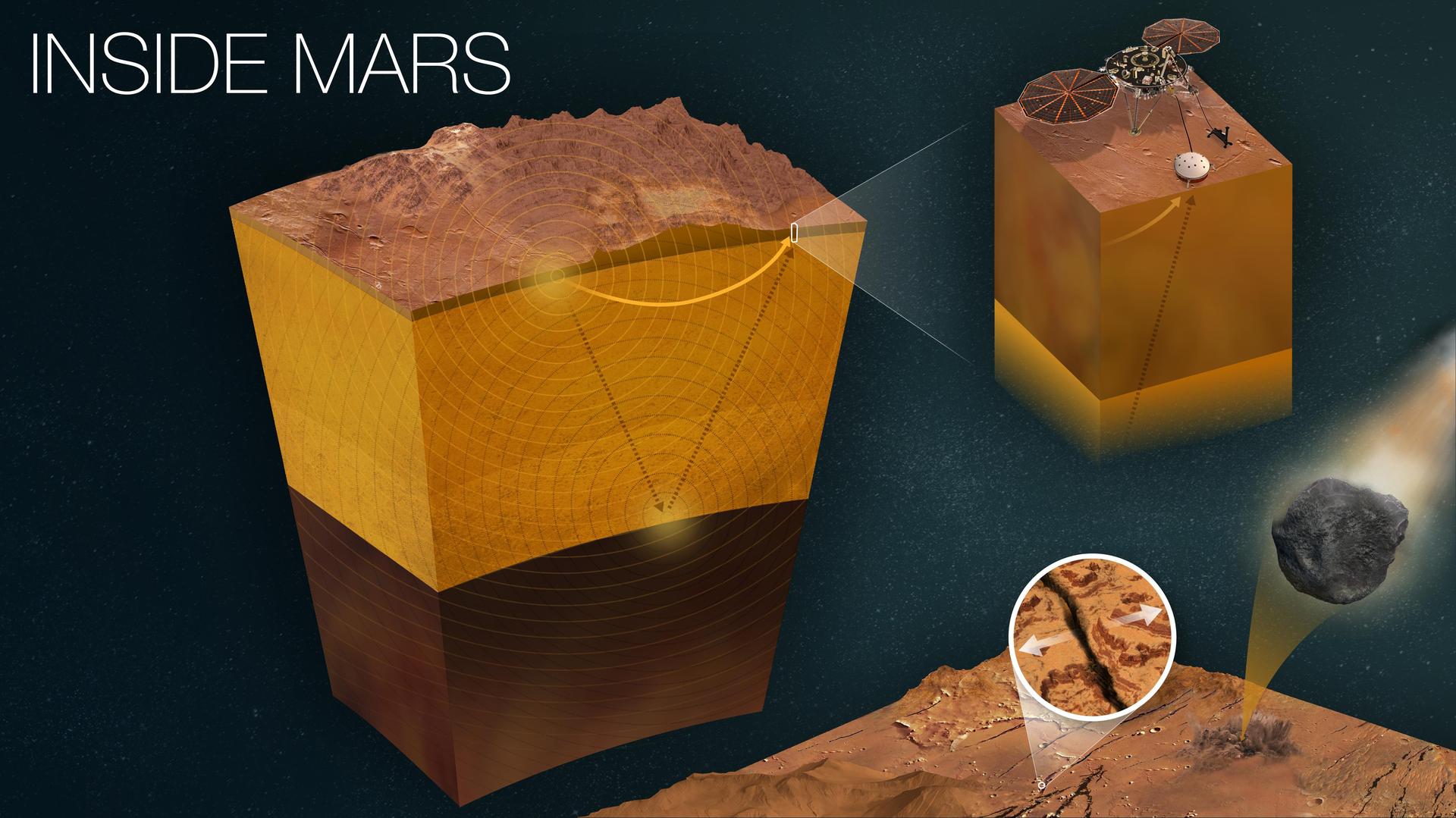
Seismic data from NASA's InSight lander points to vast, Earth-like magma systems deep inside Mars — built without plate tectonics, and possibly still fed by active mantle plumes.
-
NASA & Agencies
NASA and the SBA Sign a Deal to Funnel Small Businesses Into the Space Economy
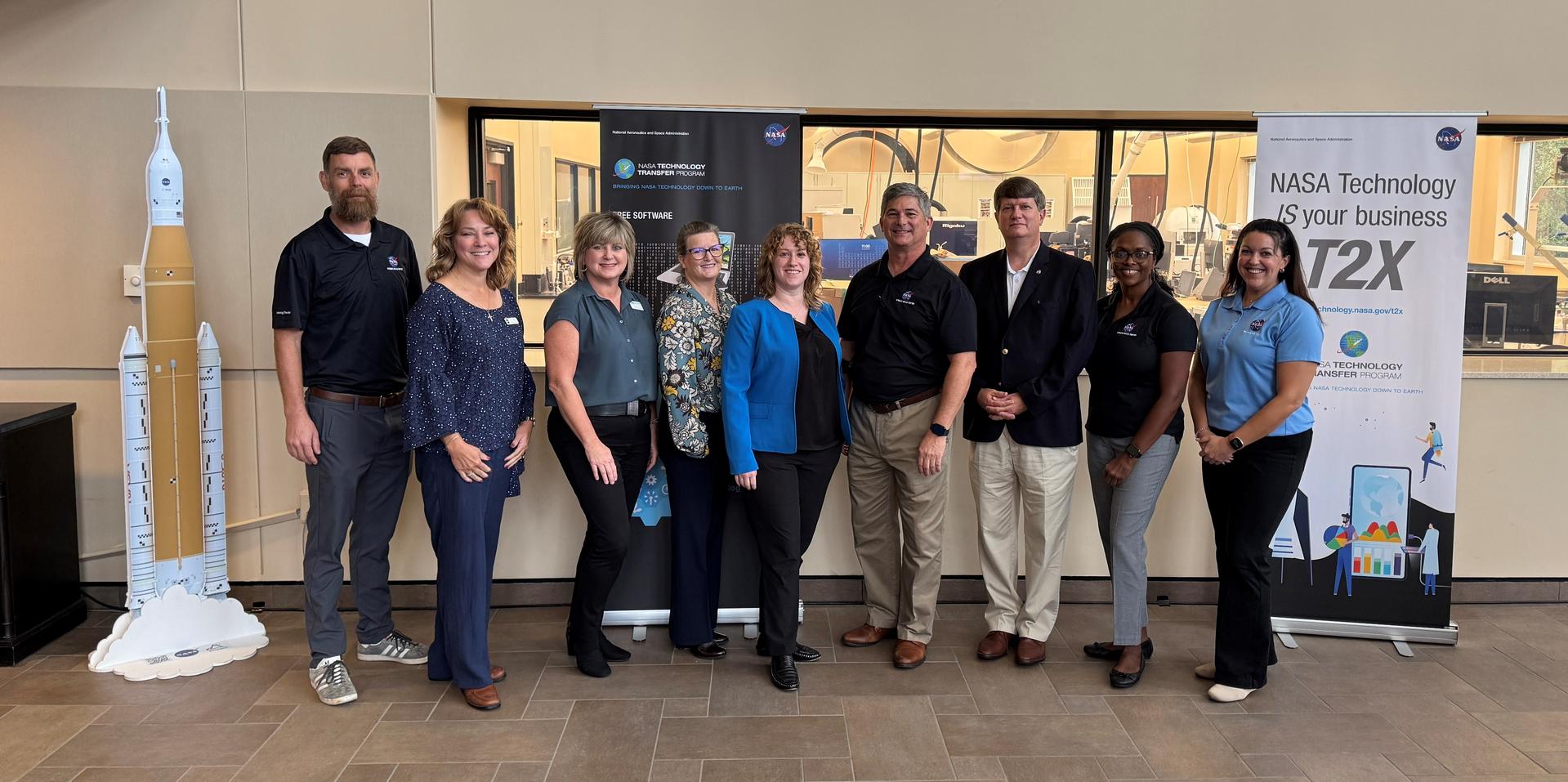
NASA and the Small Business Administration signed a memorandum of agreement on June 29, 2026, launching an interagency initiative to grow the American space economy under President Trump's National Space Policy.
-
Military Space
China Is Filling Low Orbit With Derelict Rocket Bodies — and Three Have Already Exploded
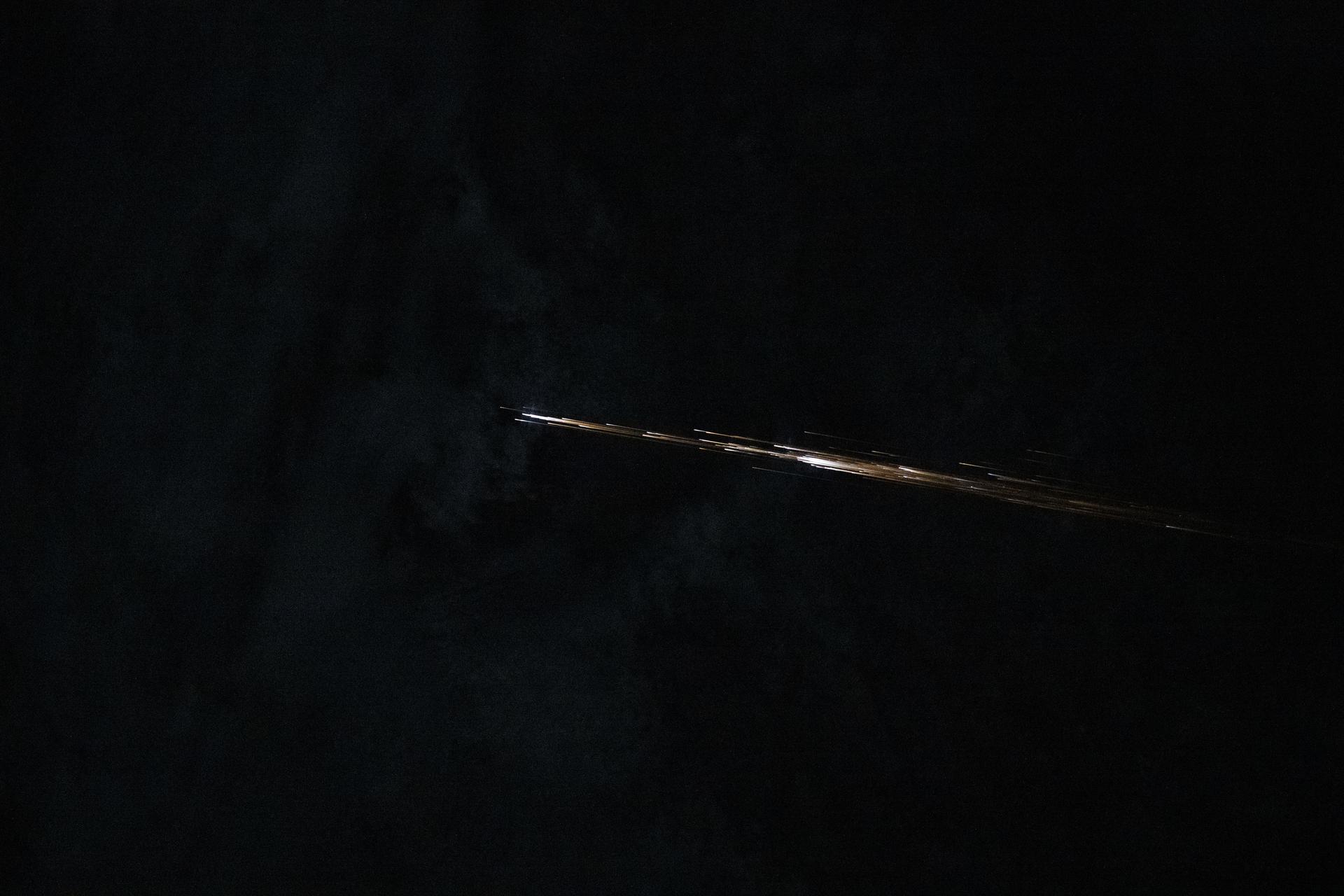
A LeoLabs analysis finds China abandoned 51 spent rocket bodies above 650 km from 2021-2025 — 86% of the global total — and three have already fragmented, seeding debris clouds that will outlast everyone reading this.
-
Astronomy
The Loudest Black-Hole Collision Yet Let Astronomers Touch the Event Horizon Itself
GW250114, the loudest black-hole merger ever recorded and ~3x louder than 2015's GW150914, carries the first gravitational-wave signature tied to a remnant's event horizon rather than its light ring — opening a channel to measure frame-dragging and horizon surface gravity.
-
Stargazing
This Week's Sky: Mars Slides Into the Pleiades as the Strawberry Moon Rises
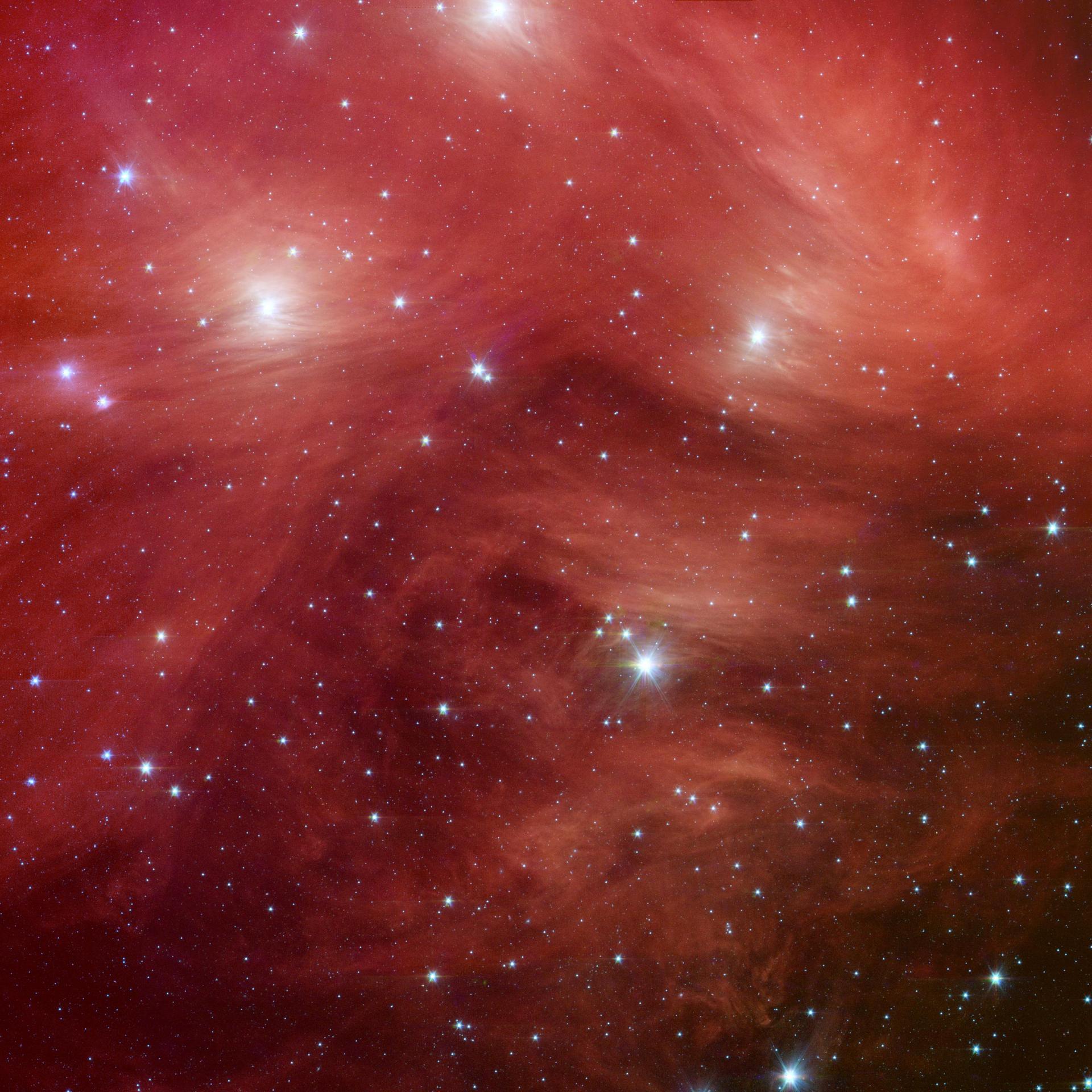
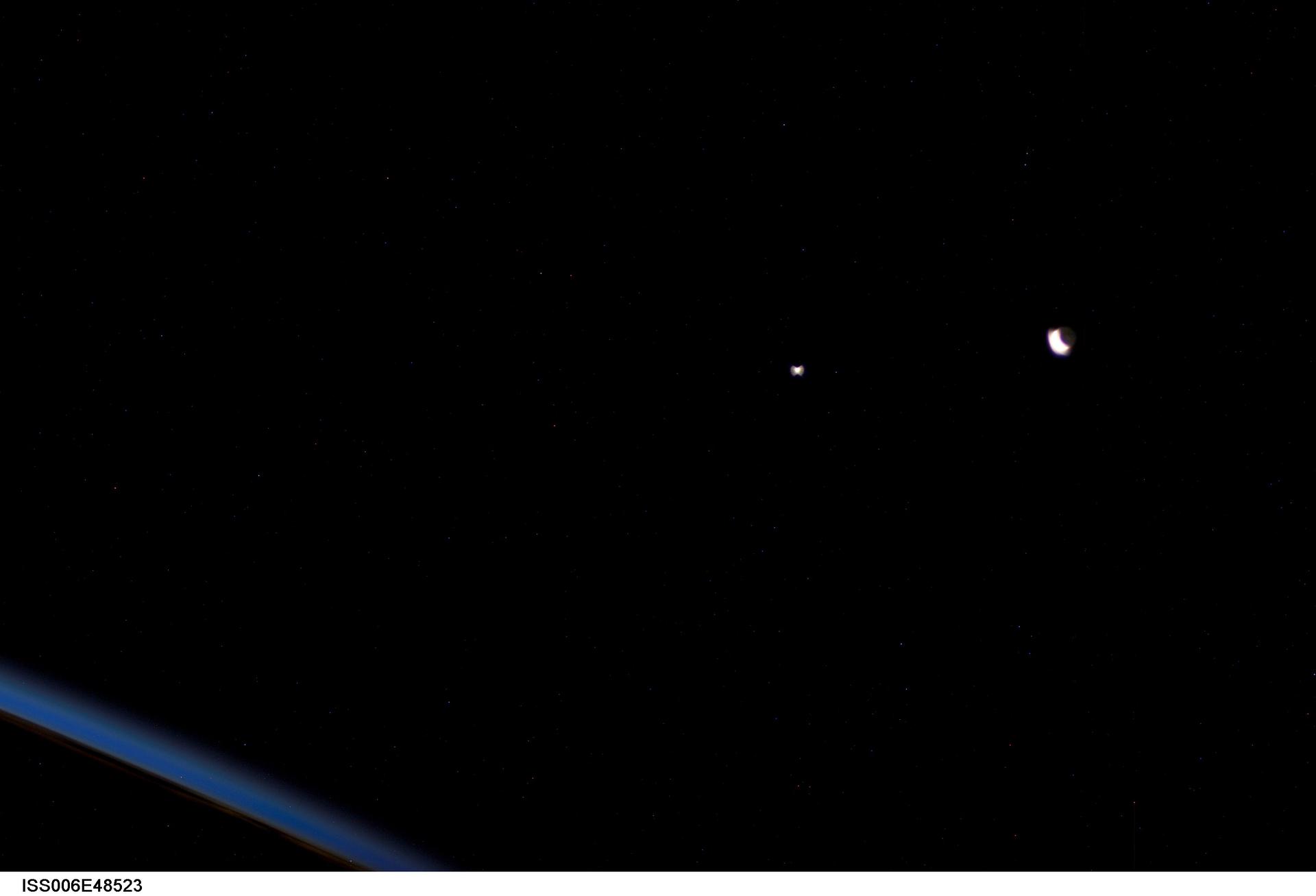
A dated late-June 2026 observing guide: Mars passes the Pleiades June 27-29 in the pre-dawn east, the Full Strawberry Moon rises June 29-30 near Sagittarius' Teapot, Mercury starts retrograde, and the Summer Triangle frames the season's best nebulae.
-
Military Space
Space Force Hands Boeing $2 Billion to Extend the Military's 'Cellphone Network in Space'
The U.S. Space Force awarded Boeing up to $2 billion to build two new MUOS narrowband satellites, dethroning incumbent Lockheed Martin and keeping the military's UHF 'cellphone network in space' alive into the mid-2030s.
-
NASA & Agencies
Spacewalk 95: Two NASA Astronauts Head Outside to Give Canadarm2 a New Wrist
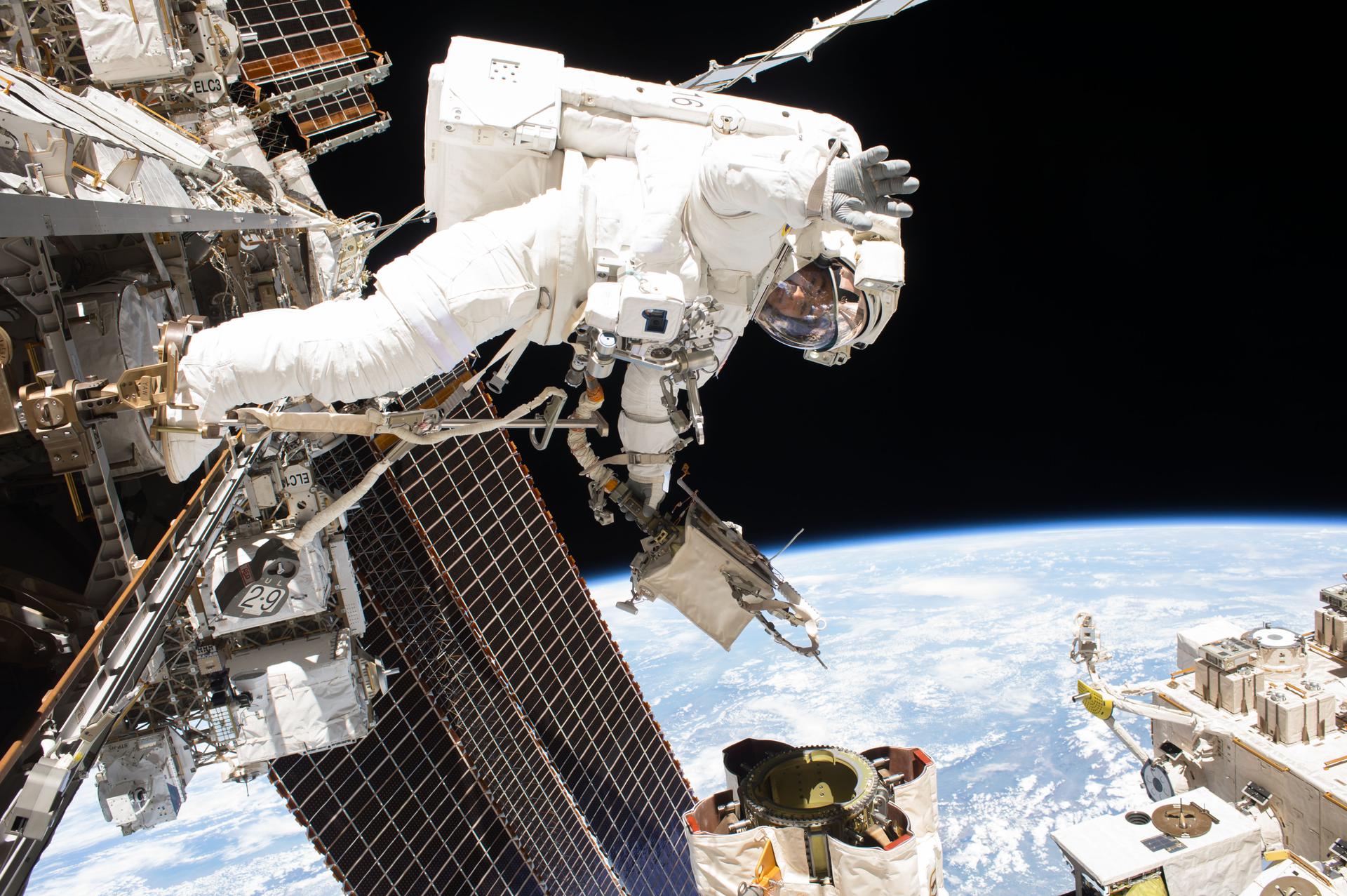
On June 30, NASA astronauts Chris Williams and Jessica Meir will spend roughly six and a half hours outside the ISS replacing a malfunctioning wrist roll joint on the 25-year-old Canadarm2, the robotic arm that captures and berths visiting cargo ships.
-
Science & Discovery
Not Ice Giants After All: A New Model Recasts Uranus and Neptune as Magma-Ocean Worlds
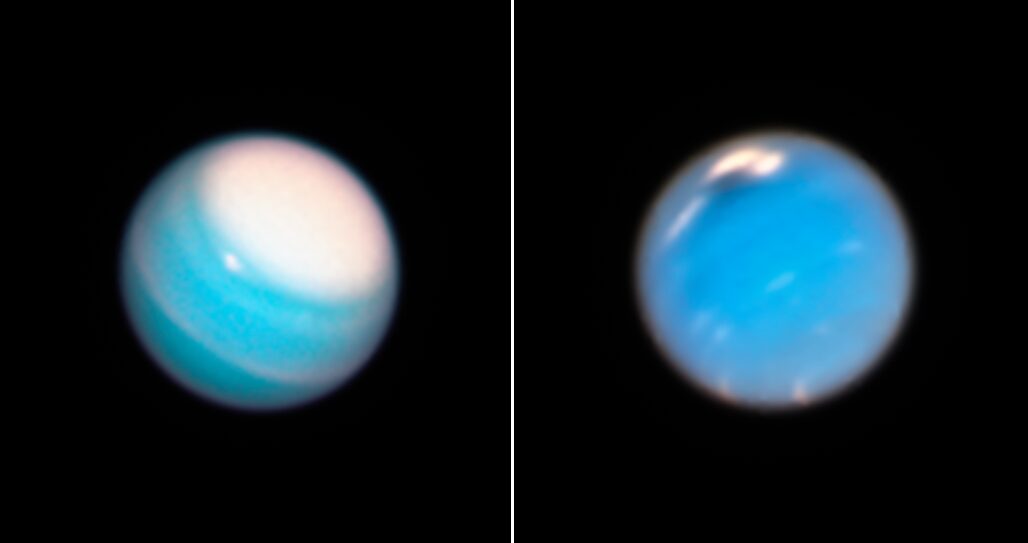
A June 2026 preprint argues Uranus and Neptune aren't water-ice worlds but supercritical, hydrogen-rich magma oceans under H2 envelopes — a model that, with just three parameters per planet, reproduces nearly everything we measure.
-
Astronomy
A Galaxy Shaped Like a Bow and Arrow Is Plowing a 1.8-Million-Light-Year Shockwave Through Space
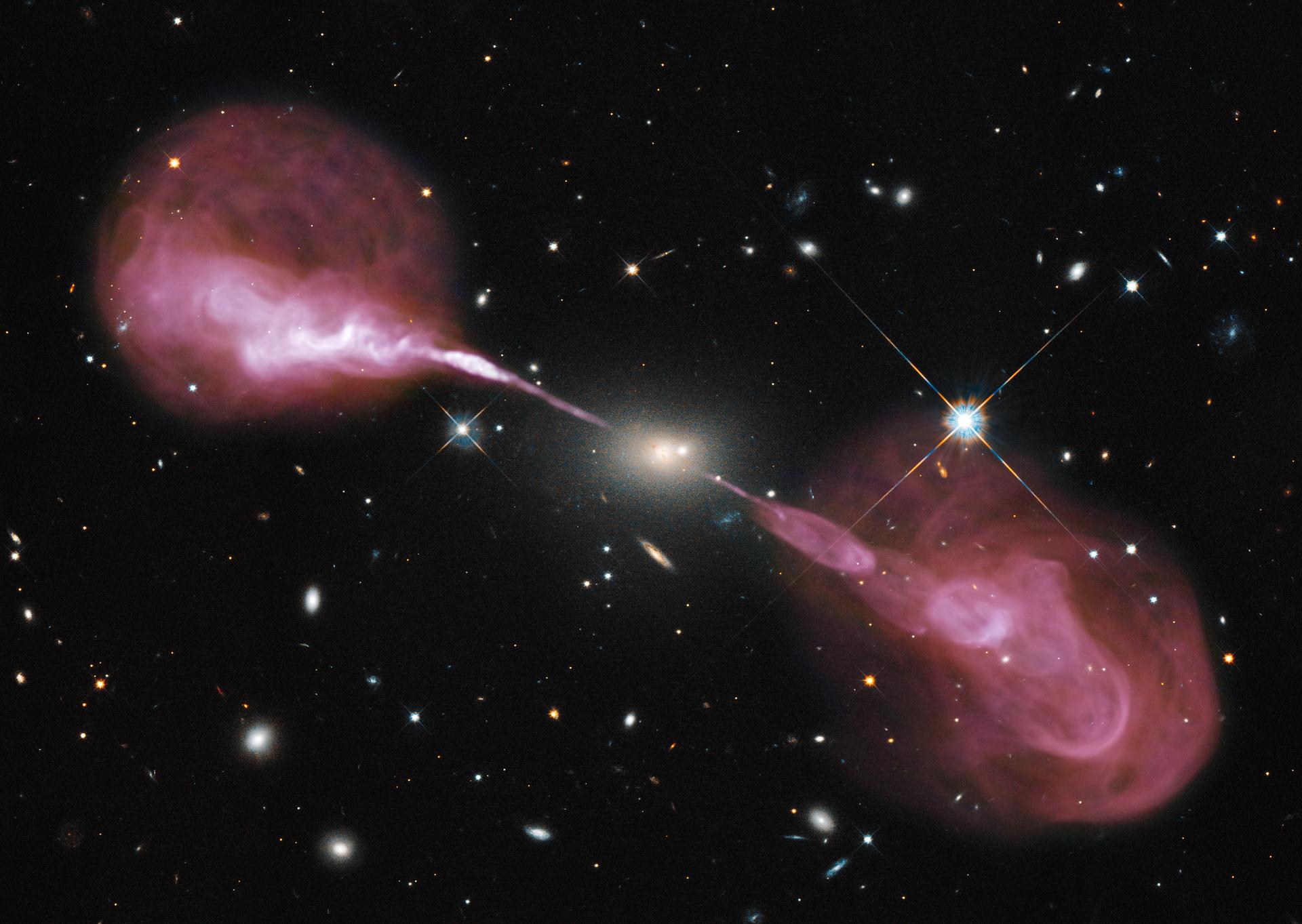
Citizen scientists working with India's RAD@home collaboratory and LOFAR images found RAD-BAARG, a radio galaxy falling supersonically into a cluster and carving a glowing bow shock about 1.8 million light-years across.
-
Stargazing
Your July 2026 Night Sky: A Daytime-Bright Venus, the Buck Moon, and a Fireball-Rich Meteor Finale
July 2026 hands naked-eye observers a brilliant magnitude -4 Venus near Regulus, a razor-thin 0.11-degree Mars-Uranus pairing before dawn on July 4, the Full Buck Moon on July 29, and twin meteor showers — including fireball-prone Alpha Capricornids — closing the month.
-
Commercial
NASA's Moon Base Rovers Get Real: Astrolab and Lunar Outpost Race Toward a 2027 Delivery
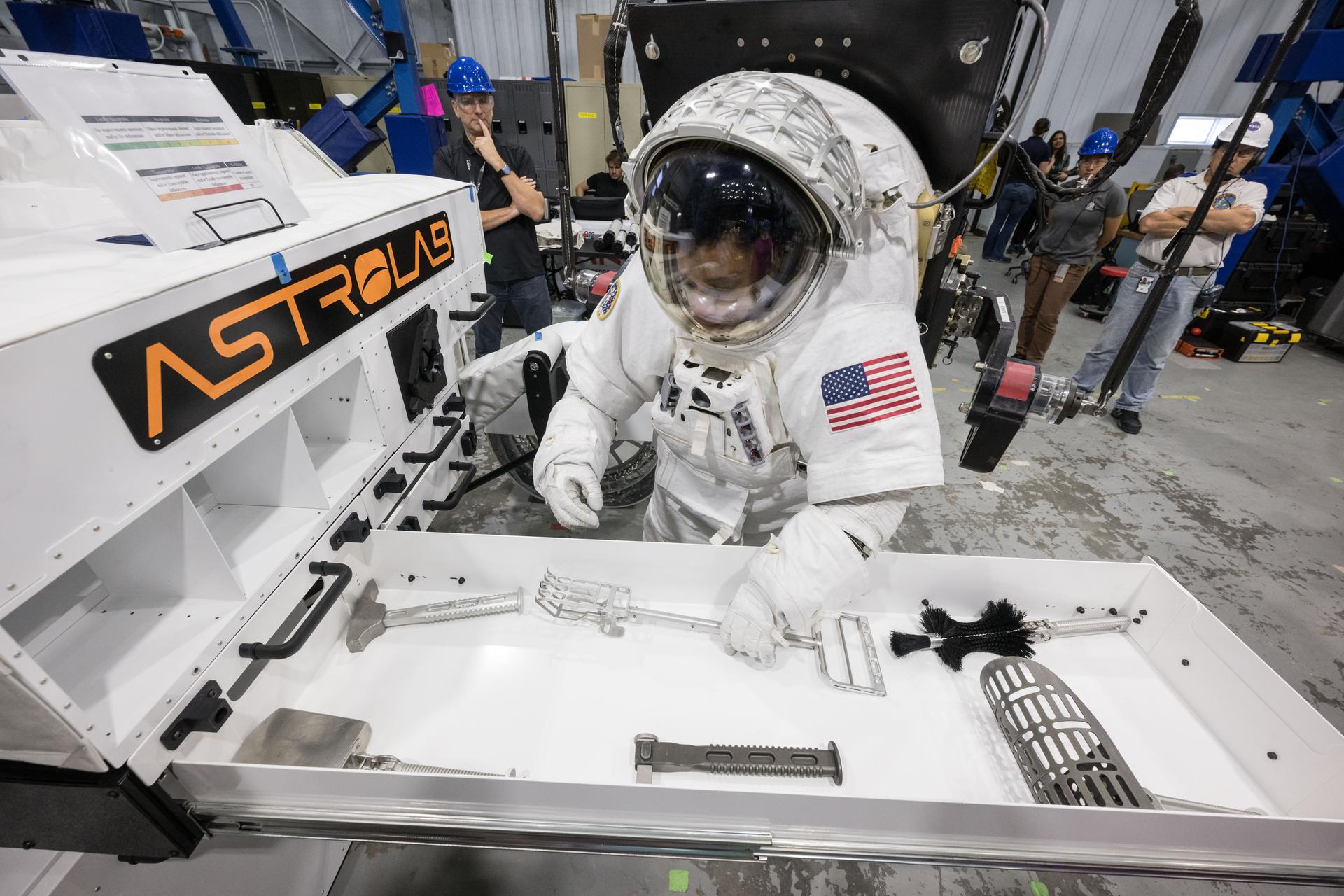
NASA wants two commercially built crewed rovers parked near the lunar South Pole by November 2027, ahead of the Artemis 4 landing in early 2028. Here's how Astrolab's CLV-1 and Lunar Outpost's Pegasus aim to survive 150 days of dark at -400°F and still drive 400 km.
Page 32 of 57