All articles
-
Science & Discovery
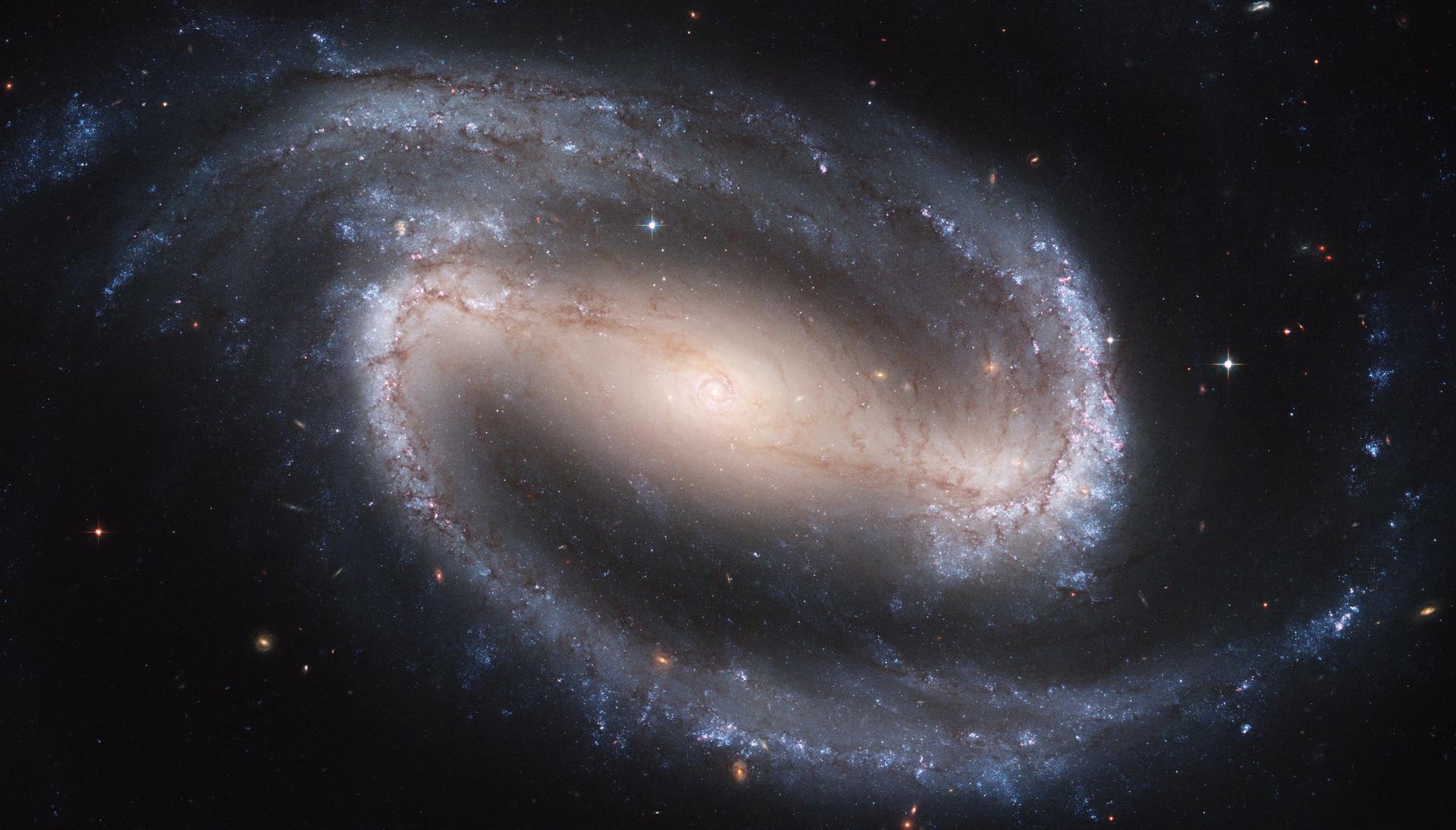
JWST Spots the Most Distant Barred Spiral Galaxy Ever Seen, and It's Already Surprisingly Grown-Up
JWST has found a massive barred spiral galaxy just 1.2 billion years after the Big Bang, the earliest such structure ever confirmed, challenging assumptions about how quickly orderly disks can form.
-
Astronomy
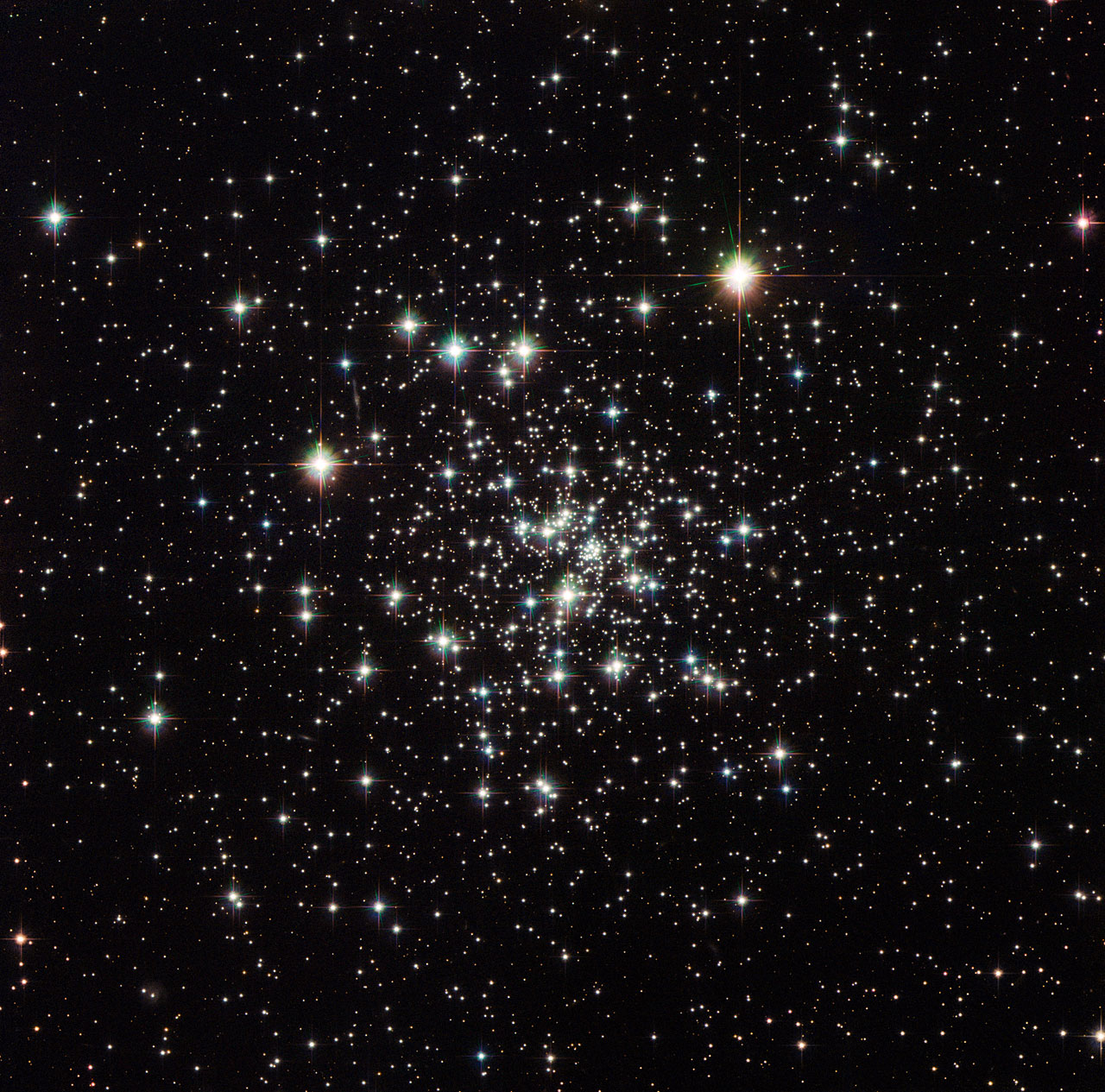
Hubble, Chandra, and Webb Team Up for a Red-White-and-Blue Portrait of an Ancient Star Cluster
For America's 250th, NASA colored the cosmos red, white, and blue — spotlighting a 13-billion-year-old star cluster whose hues betray its violent, chemically layered past.
-
Commercial
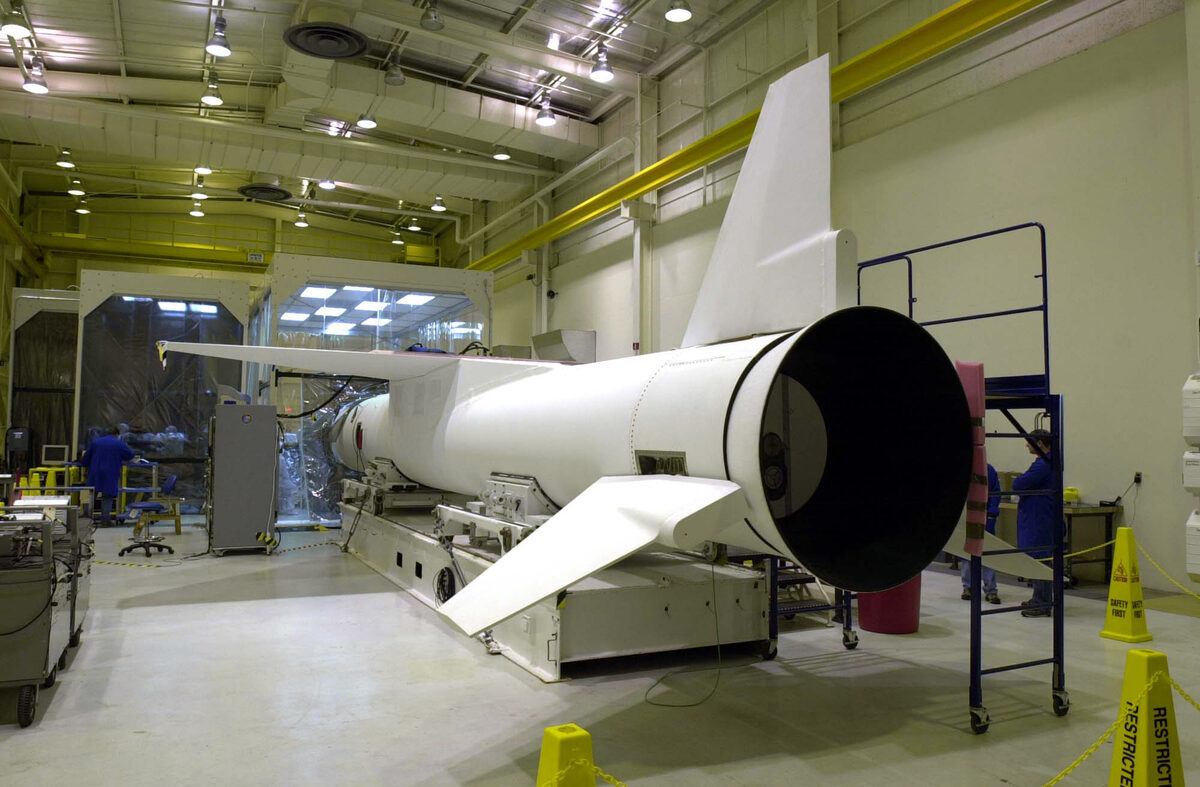
A Rocket That's Flown Since 1990 Just Launched a Rescue Mission for a Dying NASA Telescope
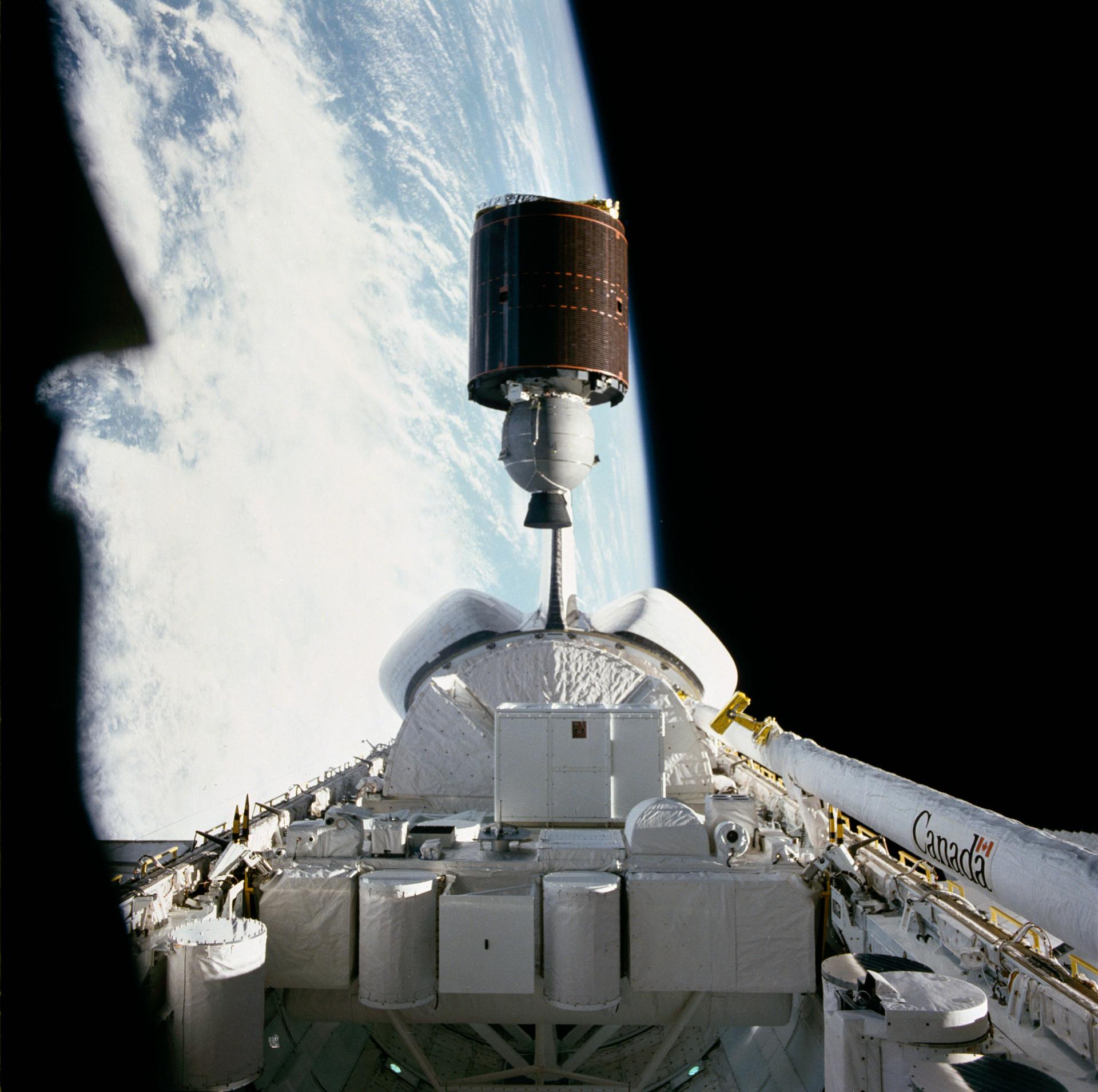
A commercial spacecraft launched on what may be the last-ever Pegasus rocket to grapple NASA's decaying Swift Observatory and shove it into a safer orbit — a servicing job built and flown in just 10 months.
-
Stargazing
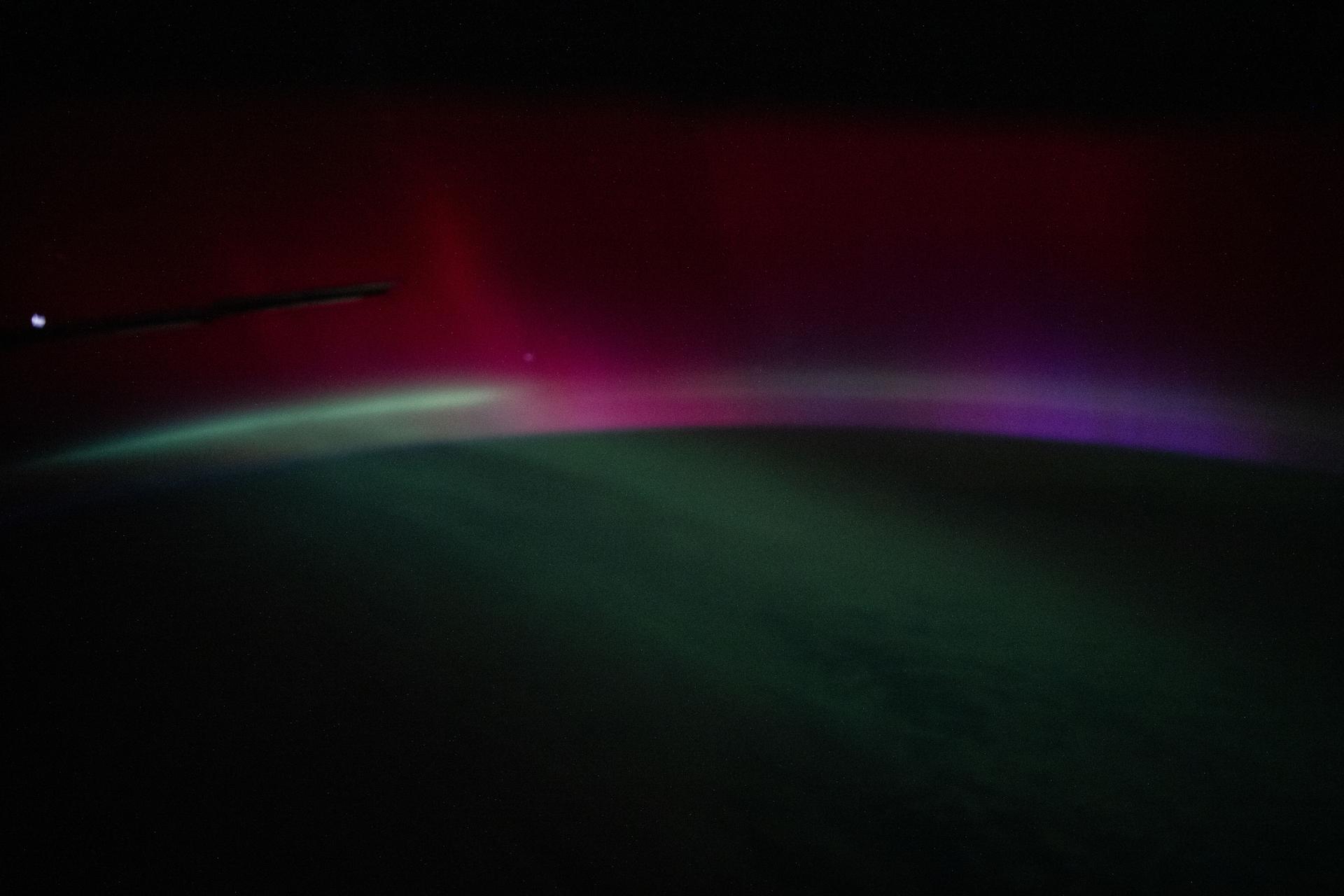
X1.3 Flare and Surprise G3 Storm Send Aurora Across 30 US States for July 4th Weekend
A CME-driven G3 storm outperformed its own forecast to paint aurora across 30-plus US states on July 4, then a fresh X1.3 flare from newly numbered AR4482 kept the sun's holiday fireworks going.
-
Commercial
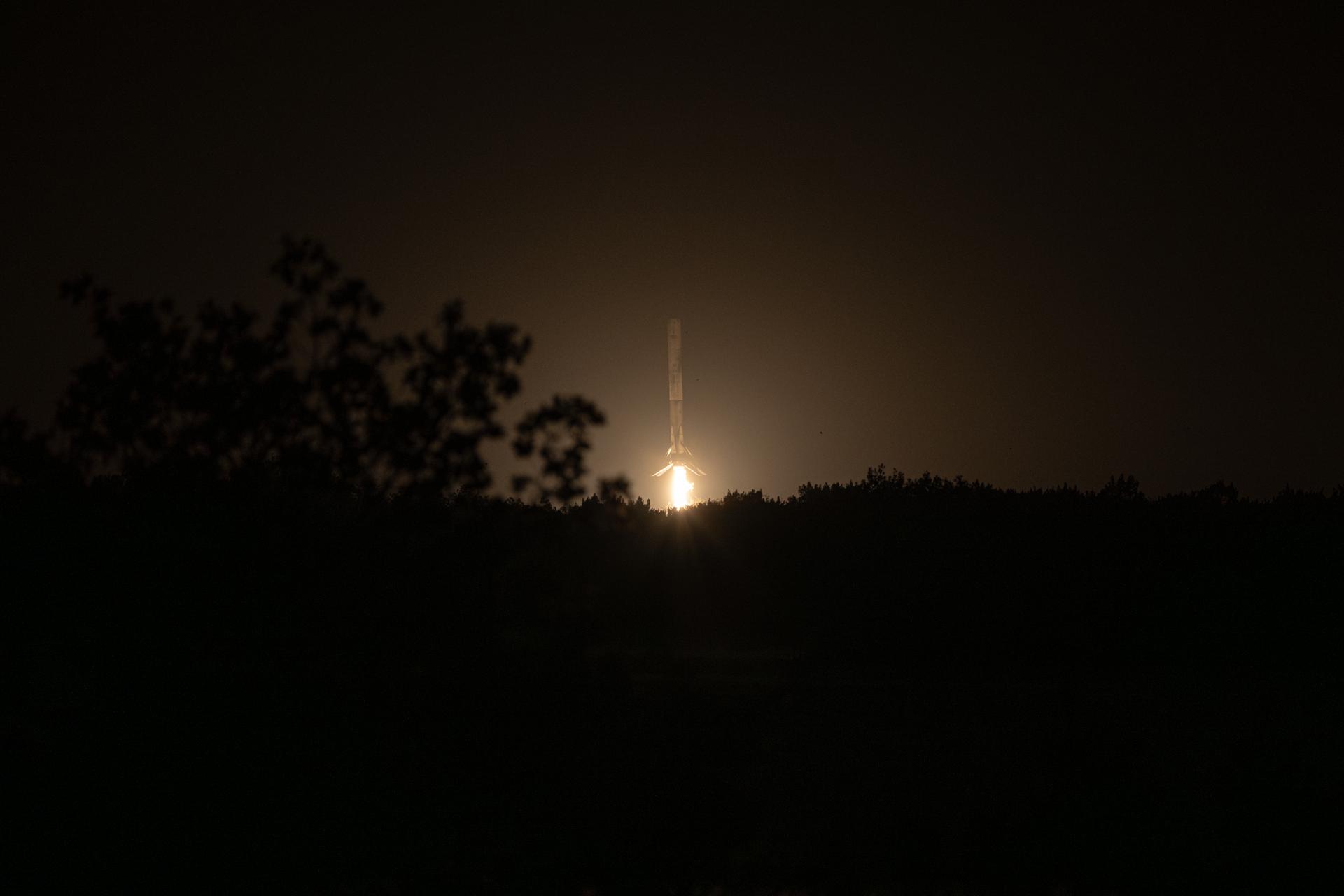
The Ultimate Egg-Drop Challenge: A Startup Rides SpaceX's Falcon 9 Boosters to Test Manufacturing Chips in Space
Besxar Space Industries flew two reusable test pods on a Falcon 9 booster's suborbital round trip on July 5, betting that surviving launch vibration and reentry heat is the first step toward manufacturing semiconductors in orbit.
-
NASA & Agencies
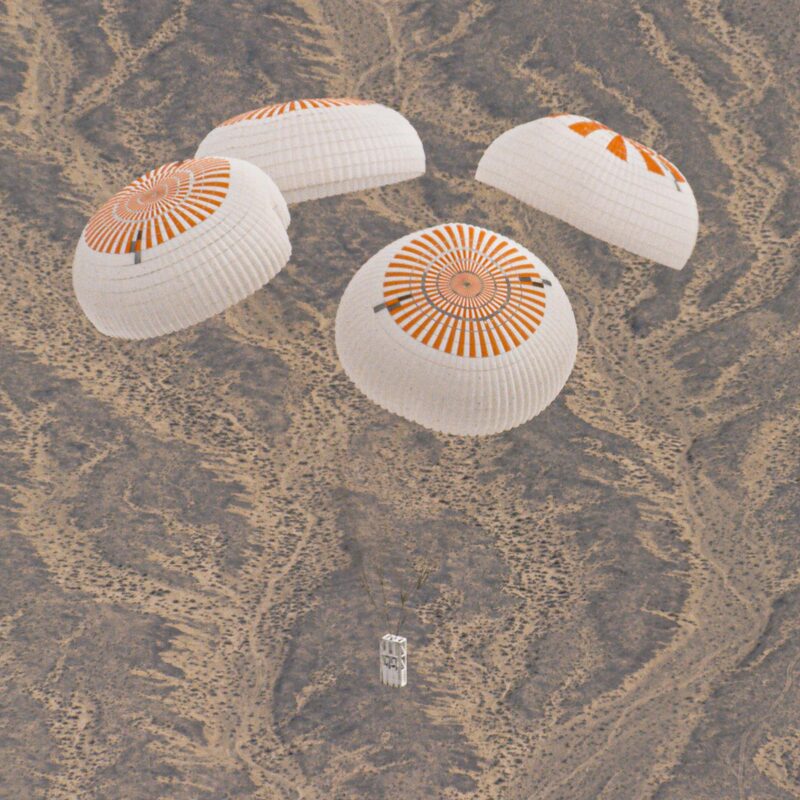
How Do You Teach an Astronaut to Fall Safely? ISRO Test-Fires the Rocket Built to Find Out
ISRO ground-fired the SOLVE solid motor for 10 hours at Sriharikota on July 3, 2026, clearing a key checkpoint for the sub-orbital vehicle that will validate Gaganyaan's 10-parachute descent system.
-
Military Space
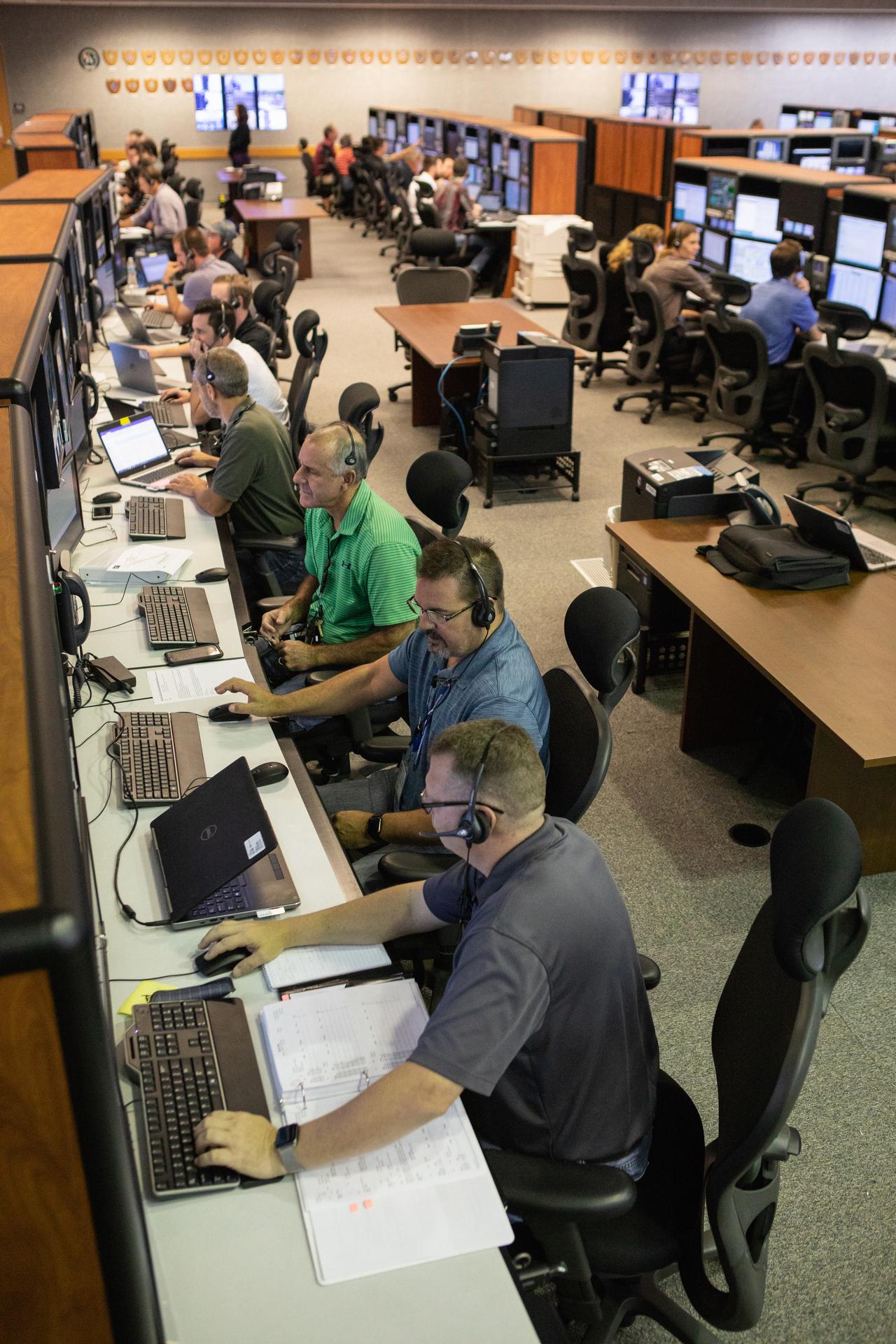
Guardians and Airmen Just Let AI Run Battle Management for the First Time — and It Did Five Jobs at Once
In a two-week Las Vegas exercise called MASH, Space Force Guardians and Air Force Airmen wired six competing AI vendors into one battle-management workflow, and an operator reported doing five to six taskings in the time one used to take.
-
Missions
Tianwen-2 Reaches Kamoʻoalewa: China's Sample-Return Probe Begins Its Close Study of Earth's Quasi-Moon
After a 13-month, roughly 1-billion-kilometer chase, China's Tianwen-2 has closed to within 20 km of quasi-moon Kamoʻoalewa, kicking off nine months of study before it attempts to grab a piece of what may be a lunar fragment.
-
Science & Discovery
A Warm, Wildly Eccentric Jupiter Just Showed Up in the Gap Where Few Giant Planets Are Found
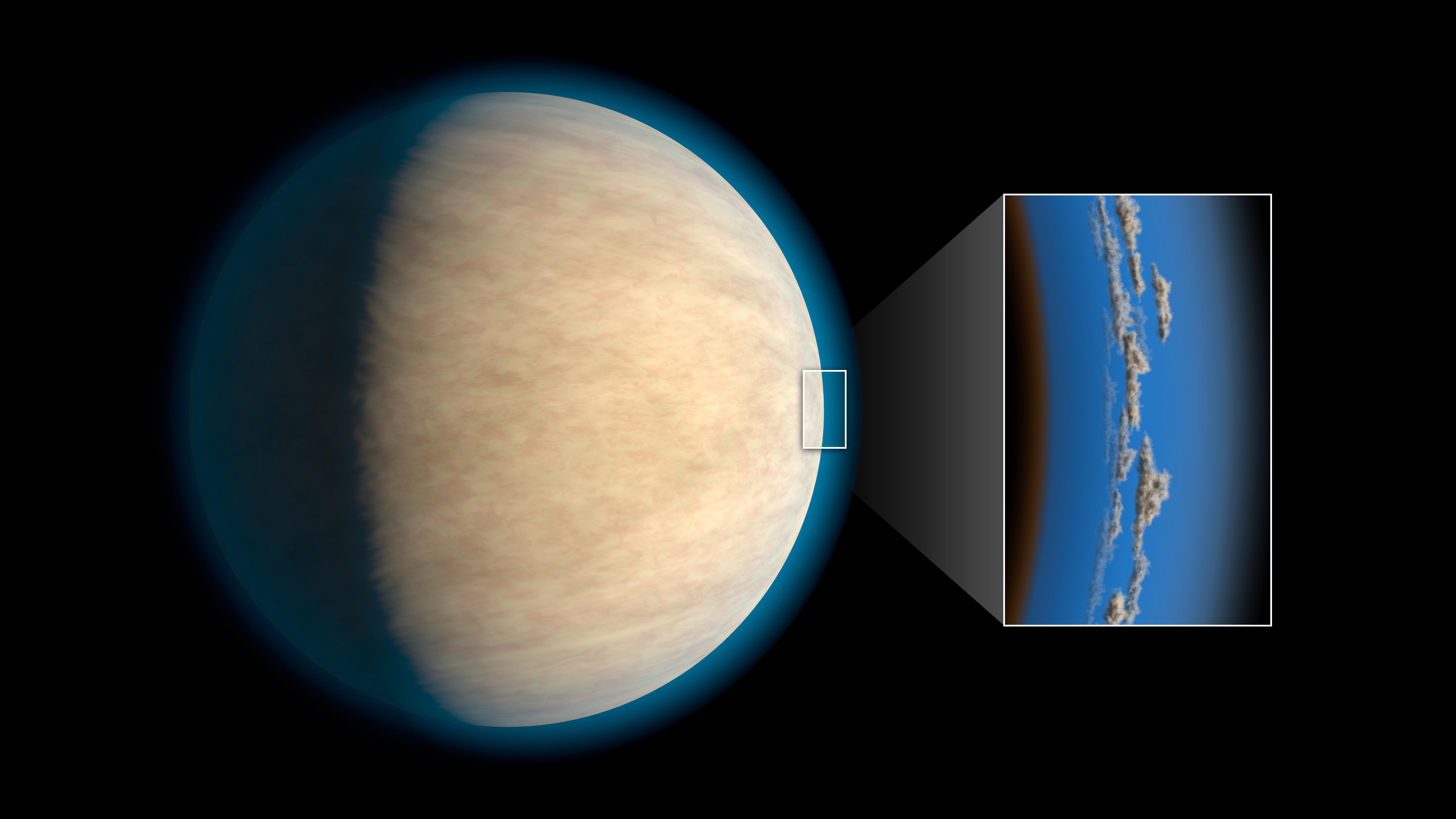
NGTS-39 b, a 58-day, wildly eccentric Jupiter-mass world spotted by TESS and confirmed by NGTS, fills in a notoriously empty stretch of exoplanet demographics — and hints at a hidden companion tugging its orbit.
-
Military Space
VICTUS HAZE: How a 16-Hour Launch and a 61-Hour Chase Just Rewrote the Rules of Space Warfare
Over the July 4th weekend, Rocket Lab launched a Space Force satellite in 16 hours 42 minutes, then True Anomaly's autonomous JACKAL-0004 found and imaged it in 61 hours — the first commercial orbital intercept in history.
-
Science & Discovery
A New Earth-Sized Neighbor: Astronomers Refine GJ 3378b's Mass in the Habitable Zone
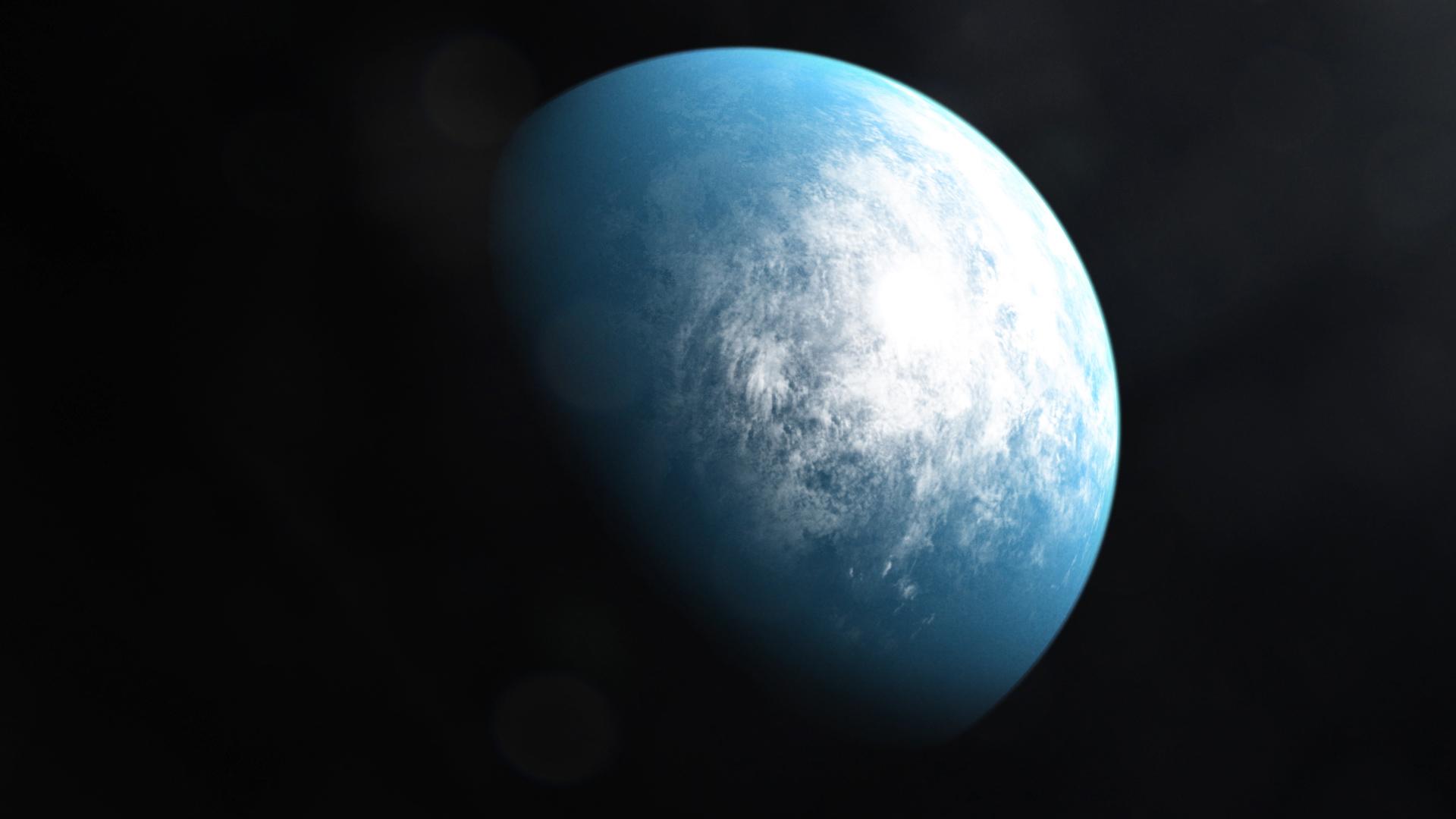
A UC Irvine-led team cut the mass estimate for nearby exoplanet GJ 3378b roughly in half, from about 5 to 2.3 Earth masses, bolstering the case that it's a rocky, potentially habitable world just 25 light-years away.
-
Missions
Hayabusa2 Threads the Needle: A 5-Kilometer-Per-Second Flyby of Asteroid Torifune
On July 5, 2026, JAXA's Hayabusa2 extended mission buzzed near-Earth asteroid Torifune from roughly a kilometer away at 5 km/s, testing precision-guidance tech relevant to planetary defense ahead of its 2031 rendezvous with tiny asteroid 1998 KY26.
Page 27 of 57