
All articles
-
Science & Discovery
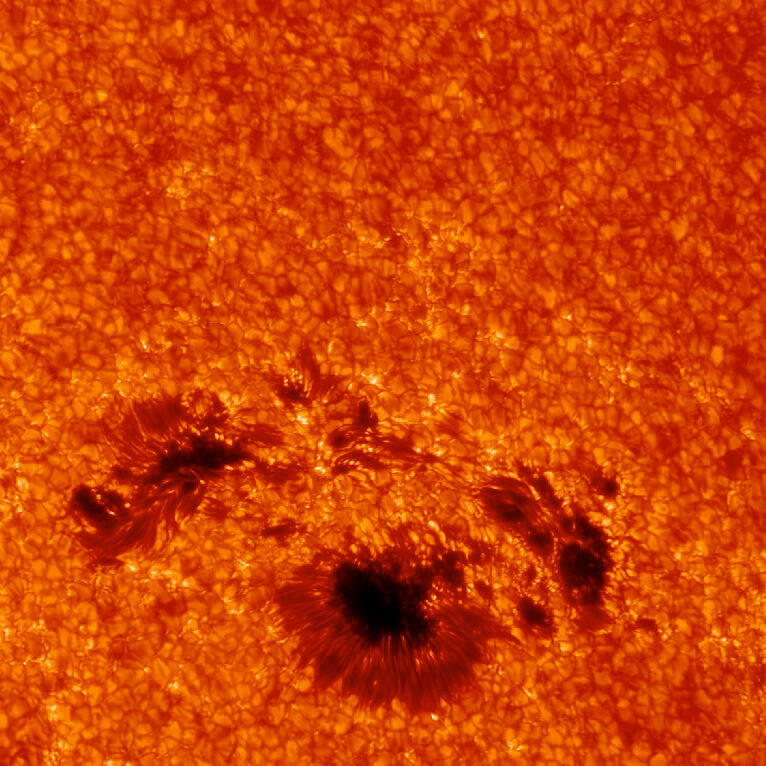
Sunspot AR4479 Fires an X1 Flare and Ten M-Flares, and NOAA Posts a G2 Watch for the Fourth of July Weekend
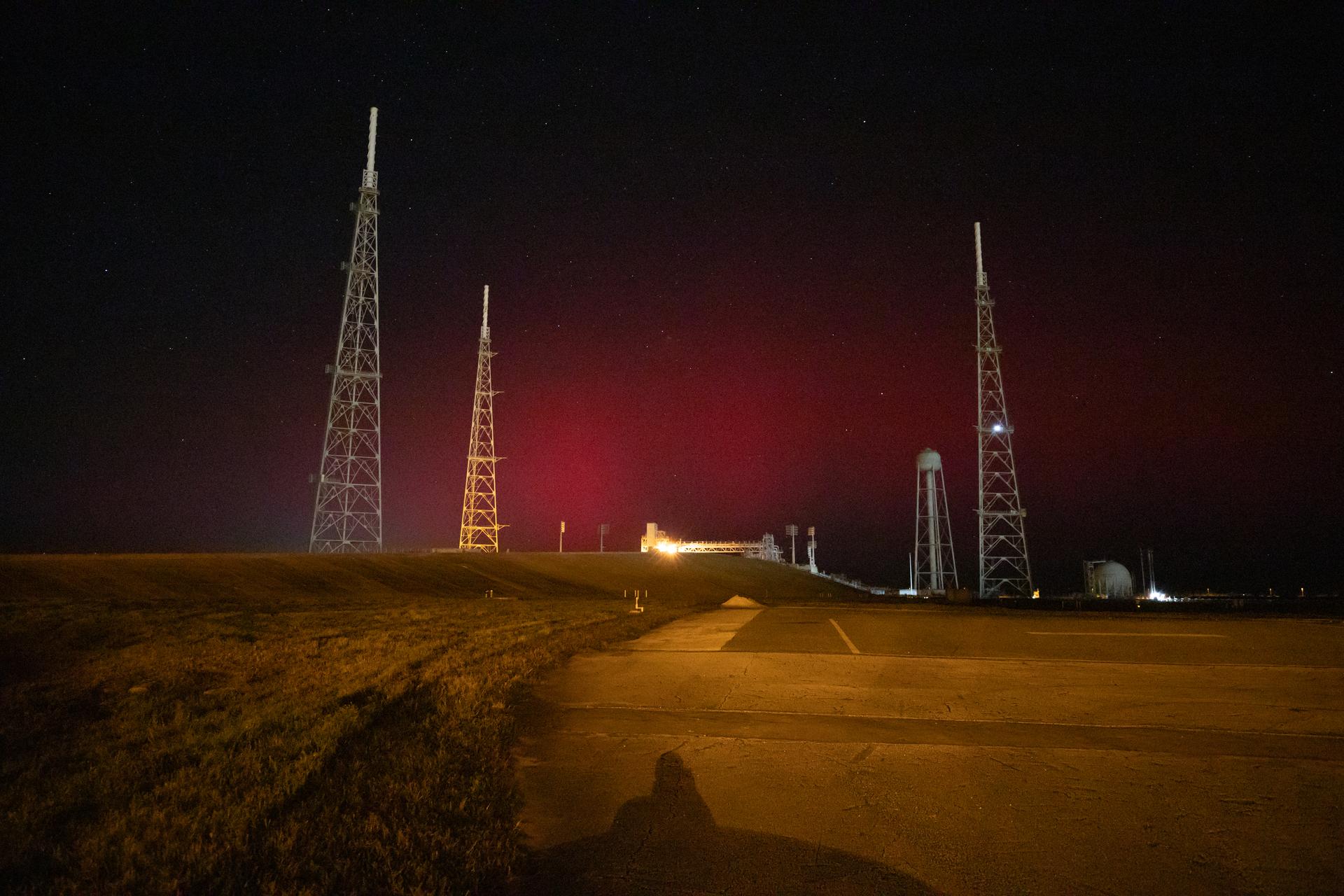
Active Region 4479 threw an X1.1 flare and roughly ten M-class flares in a single day, launching a staggered train of Earth-directed CMEs. NOAA issued G1-G2 storm watches for July 3-4, opening a holiday-weekend aurora window that could reach the northern-tier United States.
-
Stargazing
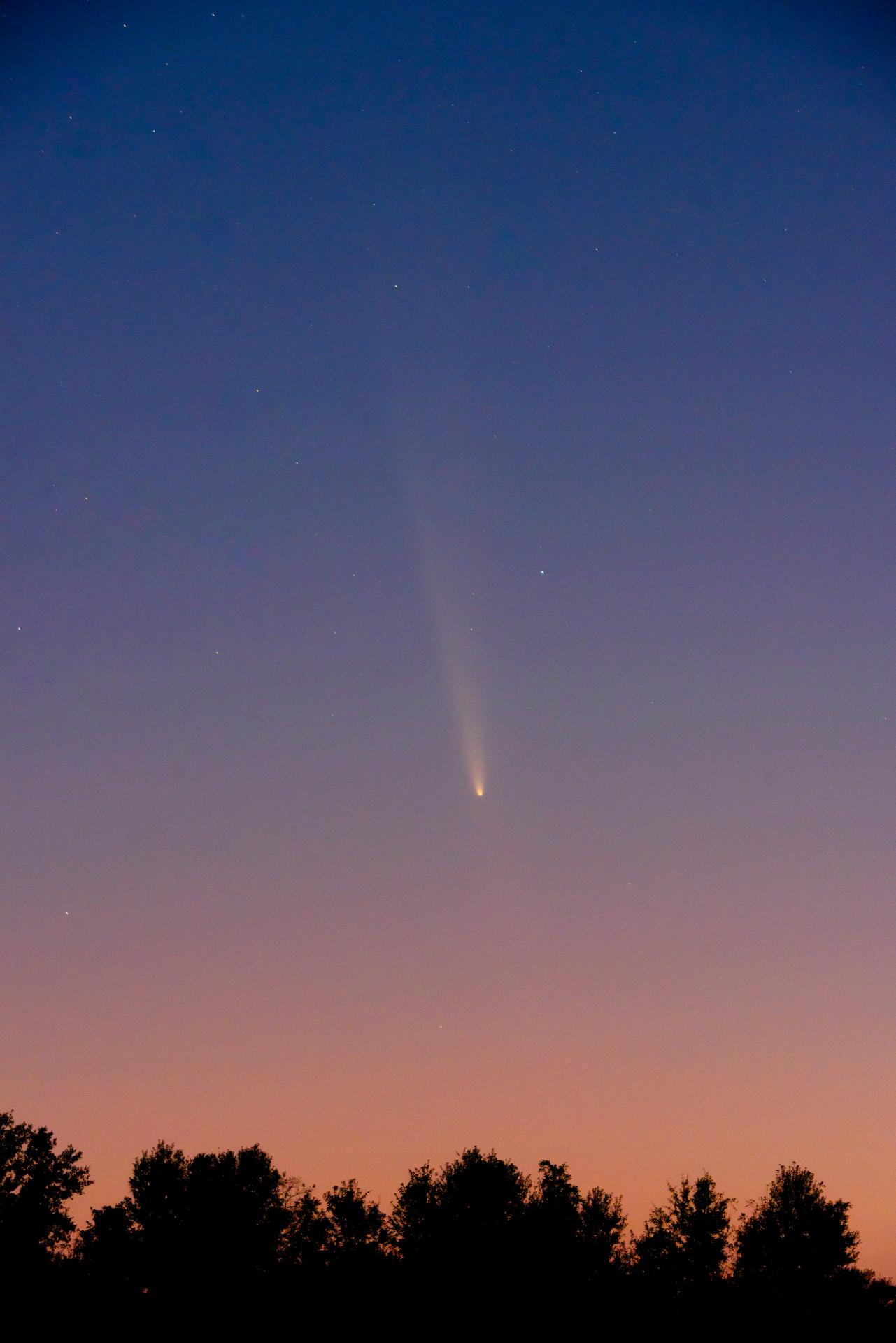
Comet 10P/Tempel 2 Brightens to Its Best Since 1967 — What Else to Watch in the July 2026 Sky
A short-period comet is having its best apparition in nearly 60 years, and NASA's July guide pairs it with thin-tilt Saturn rings, a pre-dawn Moon-Mars-Saturn lineup, and prime Milky Way viewing around the July 14 new moon.
-
NASA & Agencies
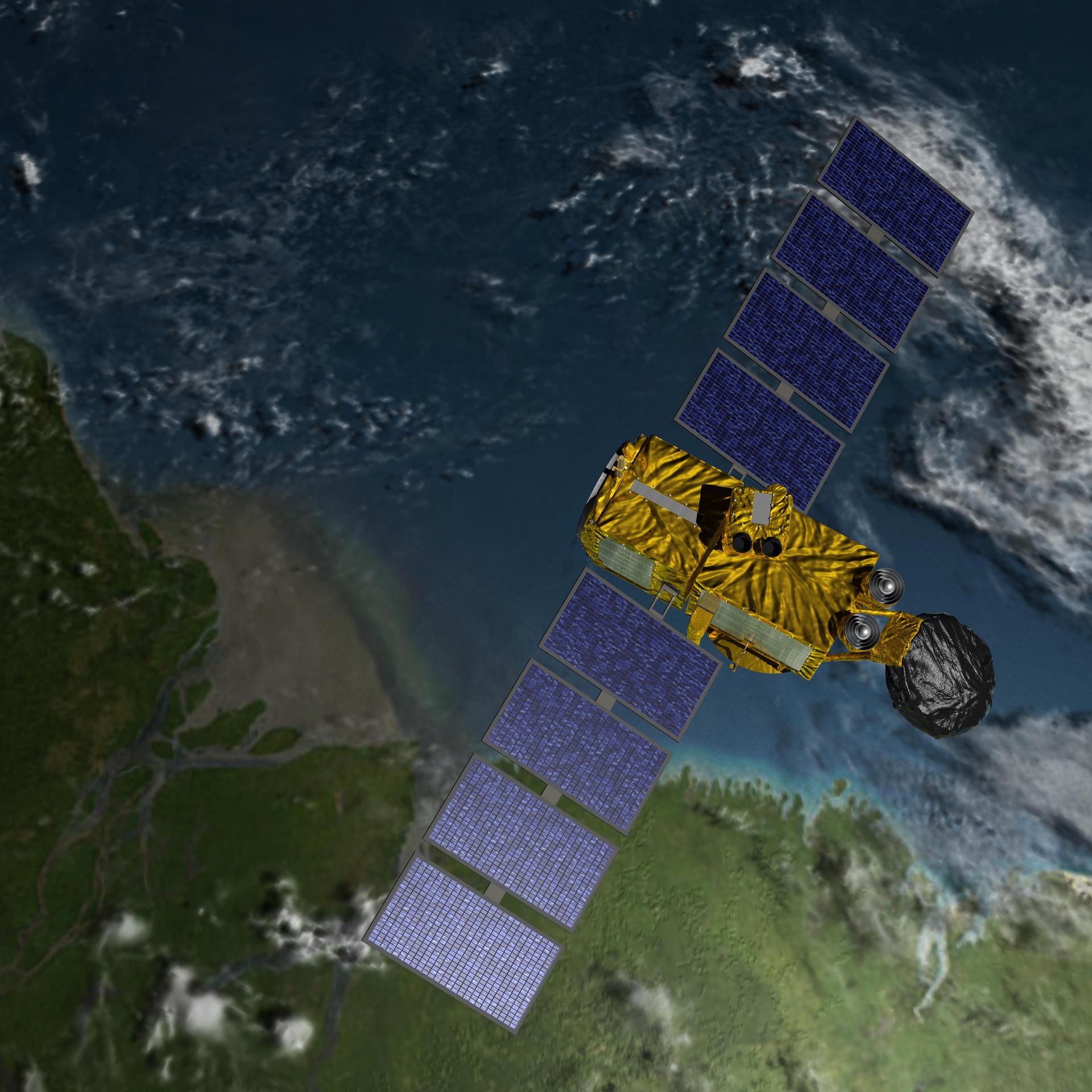
China Refreshes Its Ocean-Watching Fleet: Haiyang-2E Reaches Orbit on the 654th Long March
China orbited the 1,500-kg Haiyang-2E marine-monitoring satellite on a Long March 4B from Jiuquan, replacing the aging HY-2B and rounding out an operational ocean-observation constellation on the family's 654th flight.
-
Astronomy
Action! Rubin Observatory Officially Starts Its 10-Year LSST Survey
On June 30, 2026, the NSF-DOE Vera C. Rubin Observatory formally began the Legacy Survey of Space and Time, a decade-long nightly scan of the southern sky with the world's largest digital camera.
-
Stargazing
July 4's Sky Show: Mars and Uranus Stage Their Closest Meeting Until 2053
Before dawn on July 4, 2026, Mars and Uranus pass just ~0.1 degree apart - their tightest pairing until 2053 and a rare chance to bag faint Uranus using bright Mars as a guide.
-
Commercial
Rocket Lab Buys Iridium for $8 Billion, Trading Rockets for a Working Satellite Network
Rocket Lab will acquire satellite operator Iridium in a cash-and-stock deal valuing it near $8 billion, buying 66 working satellites, rare L-band spectrum, and instant recurring revenue instead of building it all itself.
-
Missions
A Planet TESS Was Never Built to See: First Microlensing World Pulled From the Archive
NASA's TESS, designed to catch transit dips, has for the first time bagged a planet through gravitational microlensing — a distant super-Jupiter, Gaia23bra b, teased out of archived data after ESA's Gaia flagged the event in 2023.
-
Science & Discovery
Webb Reads the Atmosphere of a Giant Planet That Outlived Its Star
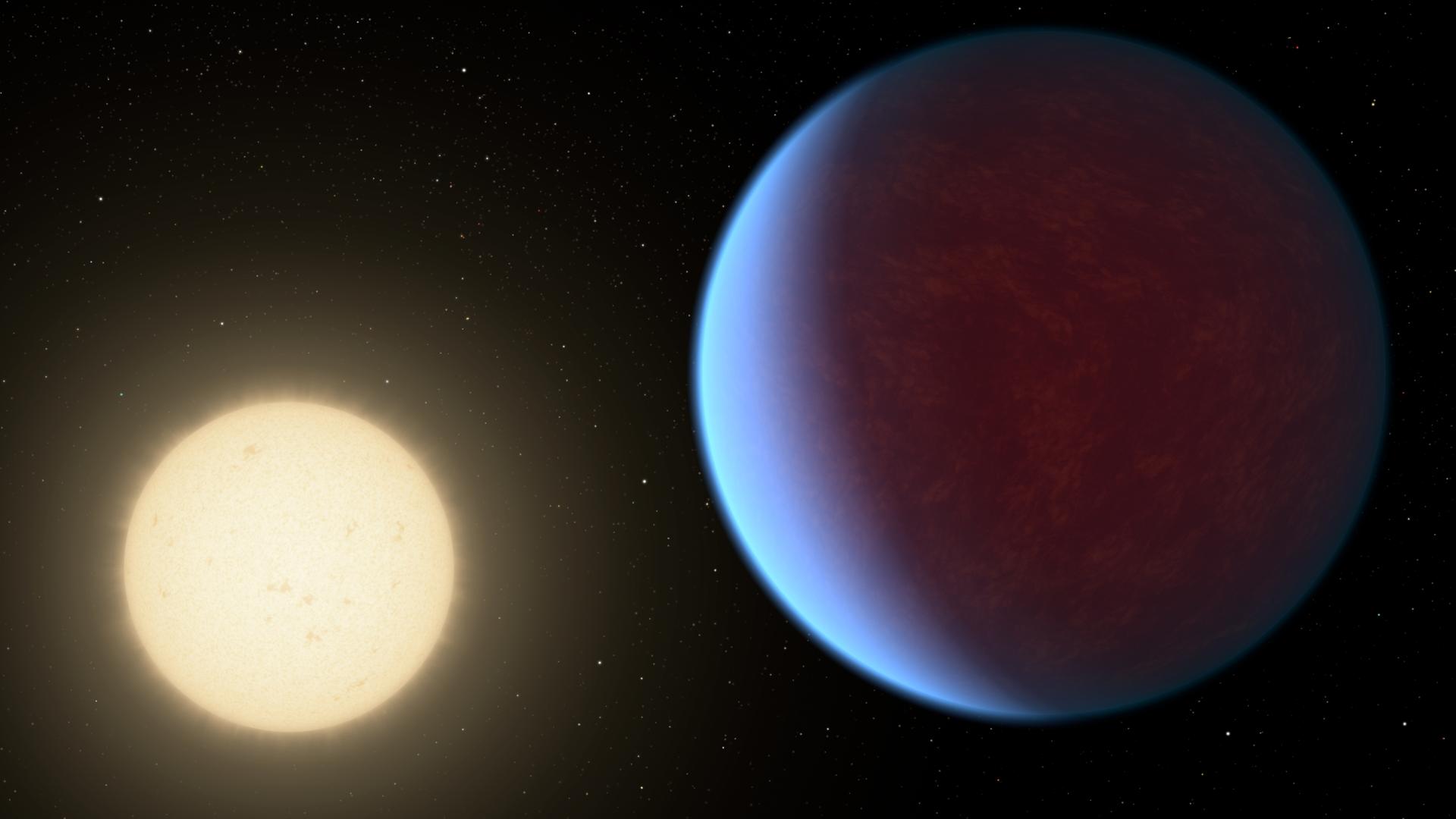
Webb has detected the first atmosphere ever seen on a planet transiting a white dwarf: WD 1856 b, a 4-to-11-Jupiter-mass giant that survived its star's death and now circles the stellar corpse every 34 hours, carrying clouds and probable methane.
-
Astronomy
X-ray Echoes of Dead Stars Nudge the Milky Way's Outer Arms Farther Out
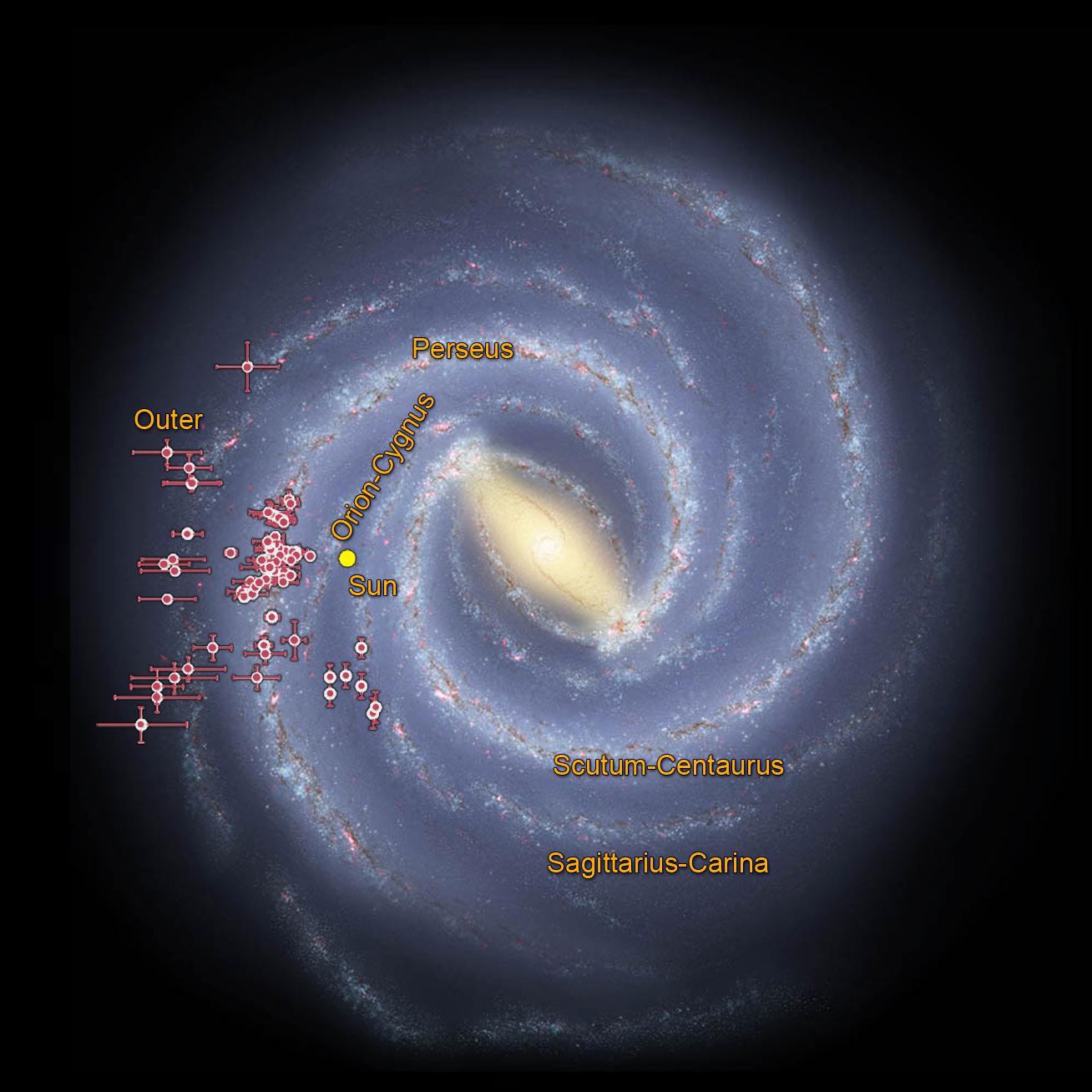
Using dust-scattered X-ray light echoes from three gamma-ray bursts, astronomers re-measured two of the Milky Way's outer spiral arms and found them up to 10% farther from the galactic center than assumed.
-
Stargazing
Aurora Alert: An X1.1 Flare and Back-to-Back CMEs Open a June 30-July 1 Storm Window
NOAA flagged G1-G2 storm conditions for June 30 into July 1 as a June 26 CME arrived and a slower June 27 CME chased behind, while AR4479 fired an X1.1 flare at 20:50 UTC - putting aurora within reach of northern-tier U.S. skies.
-
Astronomy
A Super-Earth on the Cosmic Shoreline: UC Irvine Sharpens Up GJ 3378 b, 25 Light-Years Away
UC Irvine astronomers revised the mass and orbit of GJ 3378 b, placing the twice-Earth-size world firmly in its red dwarf's habitable zone just 25 light-years away — and on the shortlist for NASA's Habitable Worlds Observatory.
-
Astronomy
Australia's MWA Bags Its First Millisecond Pulsar — and It's in an 833-Day Orbit
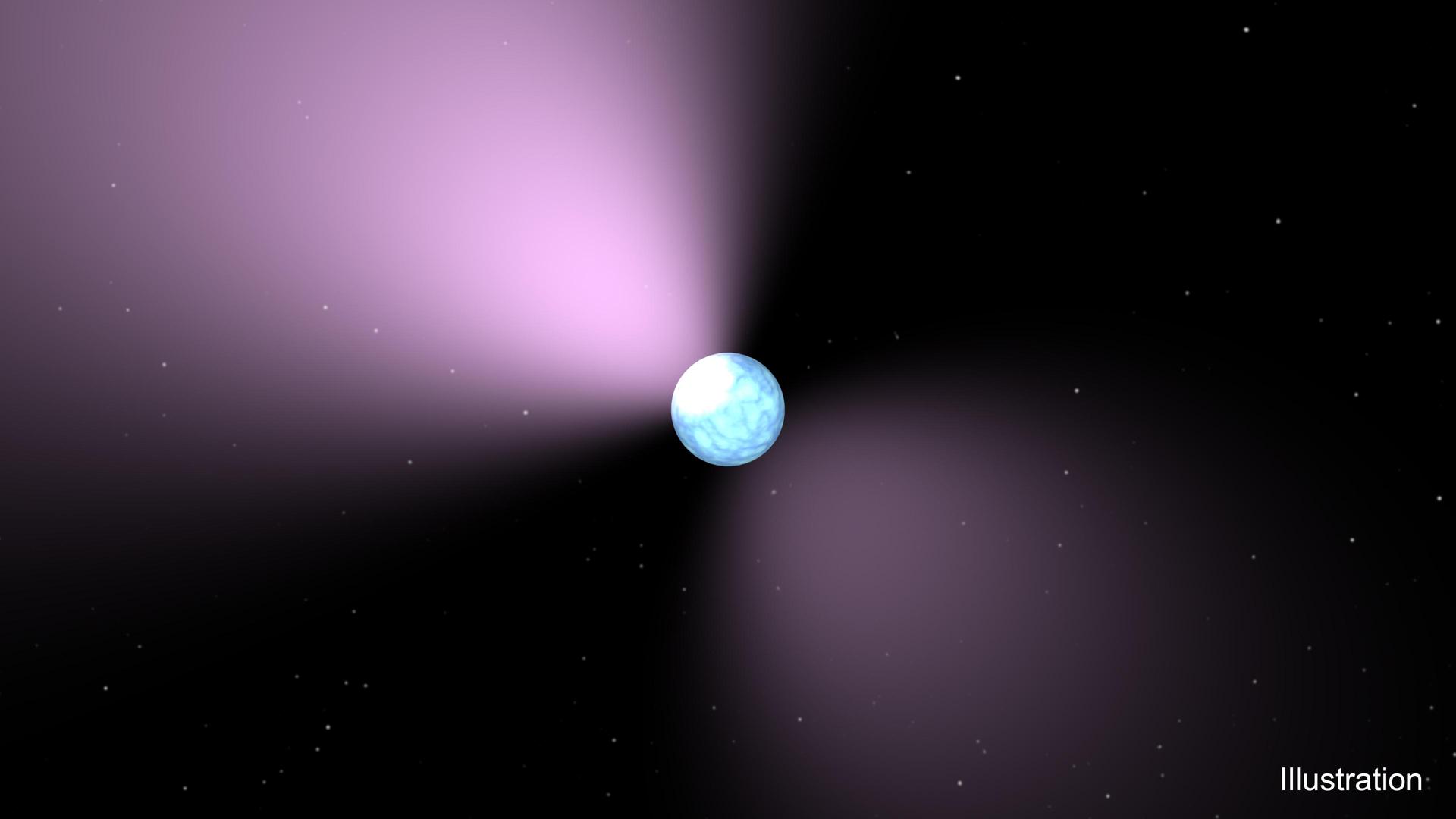
The Murchison Widefield Array found PSR J0125-5854, a 24-millisecond pulsar in a wide, near-circular 833-day binary — the MWA's first MSP and the first pulsar from the SMART survey's deep-pass search.
Page 30 of 57