All articles
-
Commercial
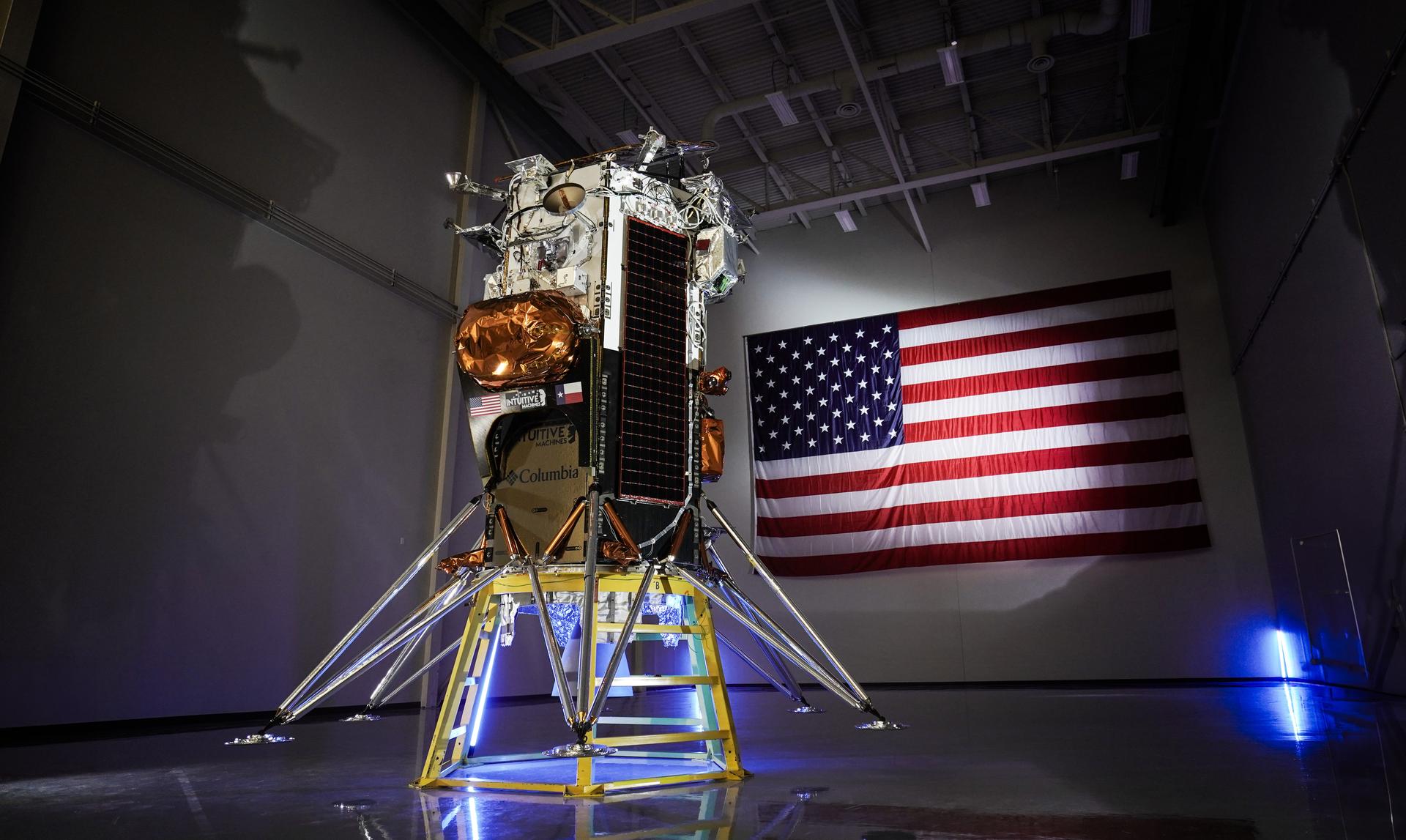
NASA Buys Four More Moon Landings: Astrobotic, Firefly and Intuitive Machines Split ~$590M in CLPS Orders
NASA awarded four CLPS task orders worth roughly $590M to Astrobotic, Firefly and Intuitive Machines to land four robotic missions on the Moon in late 2028, each carrying three payloads including the SCALPSS plume-imaging cameras.
-
Missions
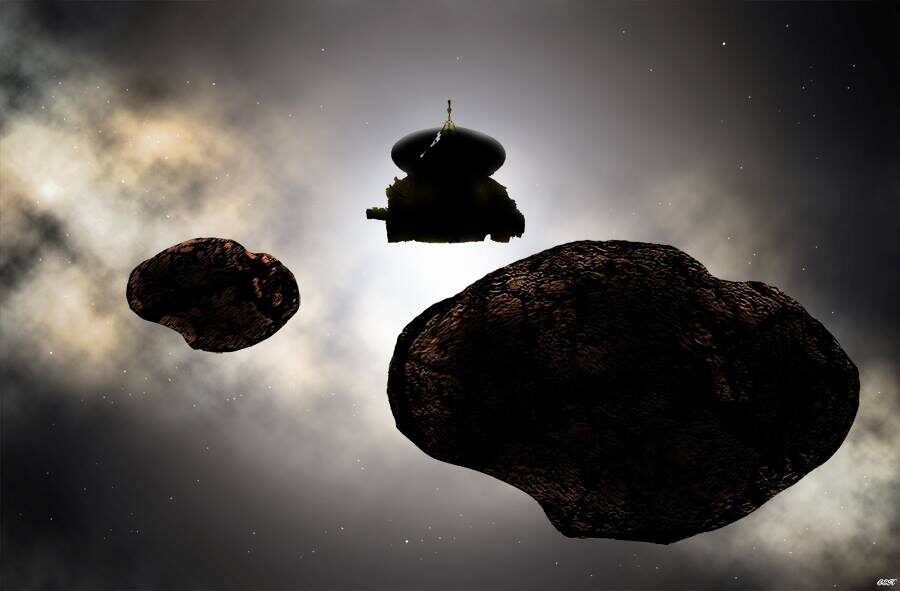
New Horizons Feels the Drag: Interstellar Atoms Are Braking the Solar Wind at 58 AU
SwRI's Heather Elliott and the New Horizons SWAP team report the solar wind at 58 AU is now 13-15% slower than at Earth, as interstellar atoms mass-load and brake it near the heliosphere's edge.
-
Science & Discovery
The Radio Sky Is Brighter Than We Thought: A New SKA-Low Measurement Rewrites the Low-Frequency Map
A single SKALA4.1 antenna on an SKA-Low ground mesh in Western Australia measured the absolute brightness of the 60–350 MHz sky, and found the standard Global Sky Model runs 1.2 to 1.5 times too dim, deepening the puzzle of the excess radio background.
-
NASA & Agencies
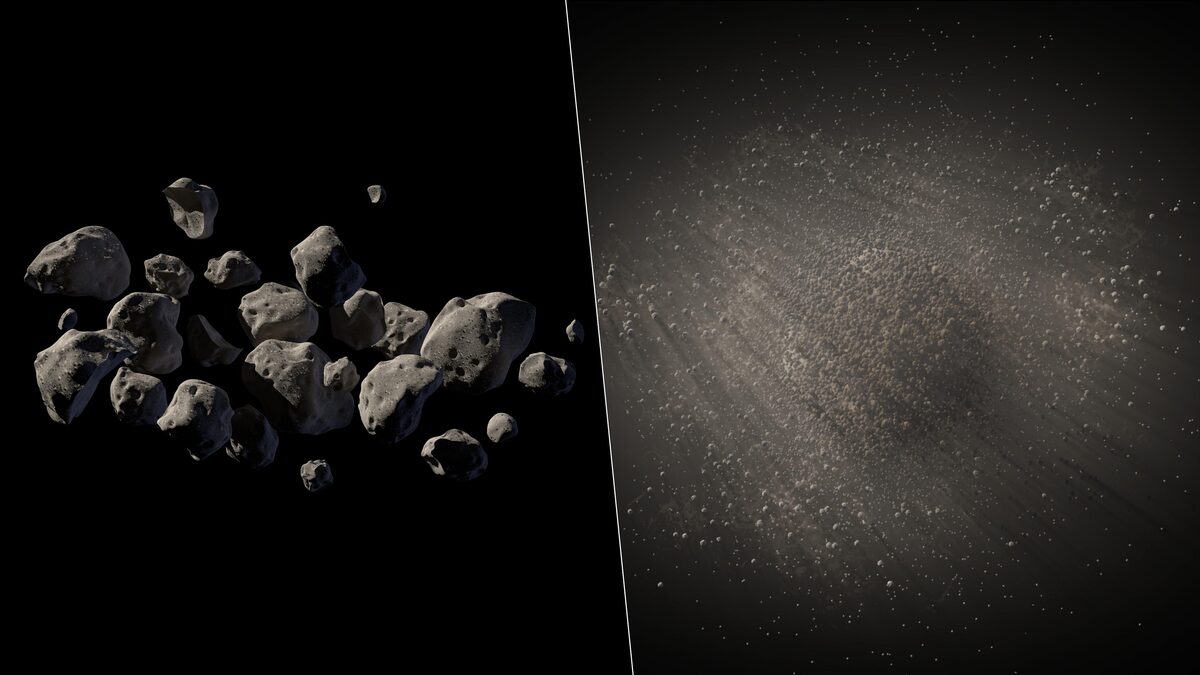
Asteroid Day 2026: As Hera Closes In on Dimorphos, Planetary Defense Gets Its Moment
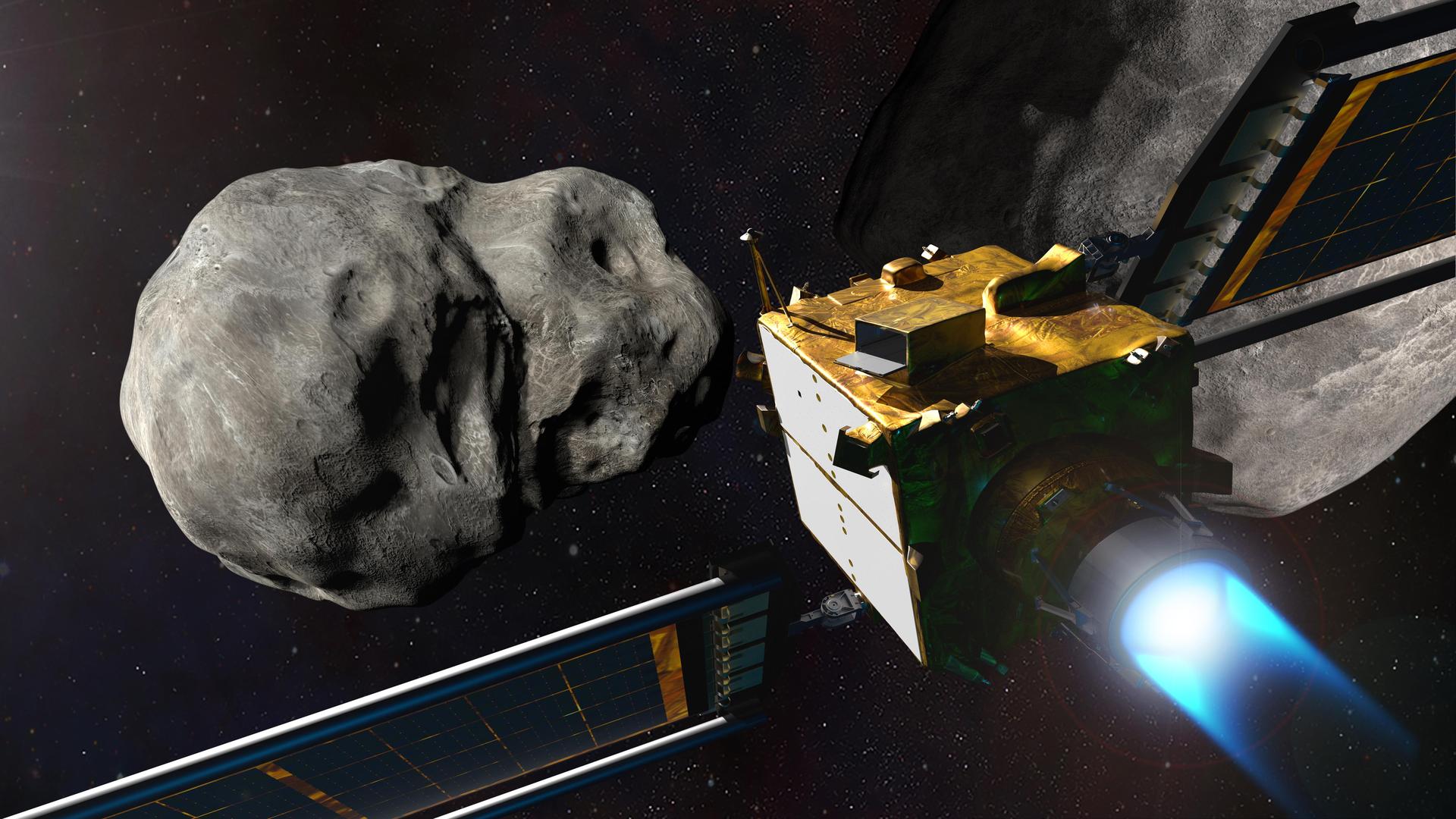
On June 30, 2026, the UN-sanctioned Asteroid Day arrives at a hinge point: DART proved we can nudge an asteroid, and ESA's Hera spacecraft is due at Didymos-Dimorphos by year's end to inspect the wreckage.
-
Science & Discovery
Could Giant Alien Mirrors Betray ET? A New Study Tests Whether Orbiting Megastructures Would Survive
A new study models whether huge, feather-light orbital mirrors could survive around exoplanets — and finds that radiation pressure dooms most configurations, making any long-lived mirror a sign of active engineering.
-
Stargazing
The Blaze Star on the Brink: Why Sky-Watchers Are Still Waiting for T Coronae Borealis to Erupt
A recurrent nova 3,000 light-years away should brighten to naked-eye visibility any night now — but T Coronae Borealis blew past its statistically favored June 25 date and still sits at baseline. Here's why the watch continues.
-
Stargazing
A Skyscraper-Sized 'Peanut' Buzzes Earth: Tracking Asteroid 1997 NC1's June 27 Flyby
Potentially hazardous asteroid (152637) 1997 NC1 — a slowly spinning, peanut-shaped ~1-km body — passed safely within 6.7 lunar distances on June 27, 2026, doubling as a backyard-telescope target and a planetary-defense radar opportunity.
-
Missions
NASA Just Tested a 'Gas-Pump Nozzle' for Orbit — and It Could Be the Key to Mars
NASA's Marshall Space Flight Center and L3Harris have operationally tested a developmental cryocoupler — a quick-disconnect nozzle for transferring ultra-cold propellant between spacecraft and future orbital depots, a capability never demonstrated in orbit.
-
Astronomy
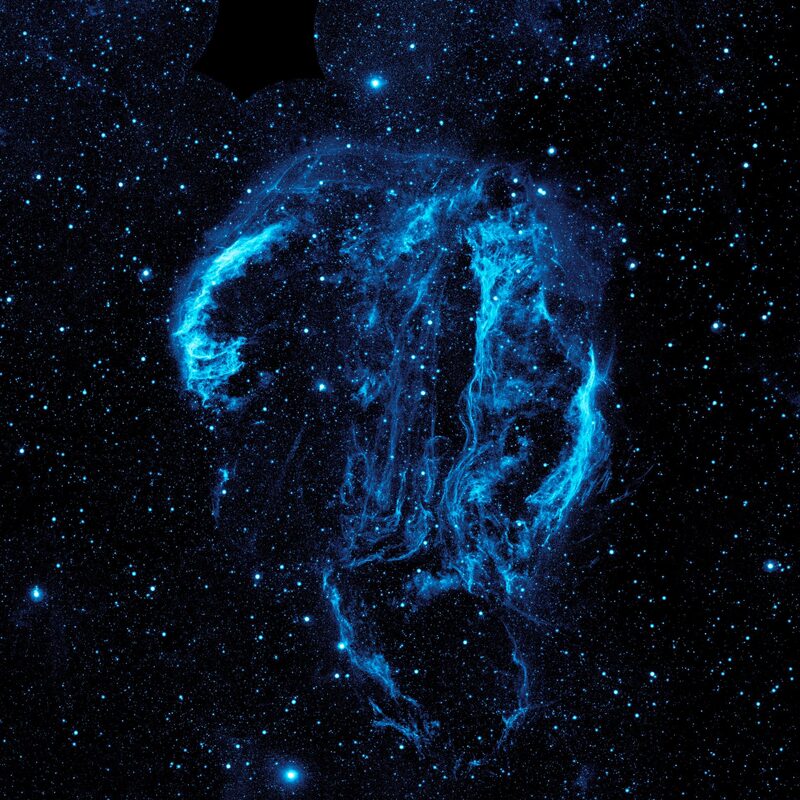
A Razor-Thin Thread Across the Veil: Amateurs Spot a 1,200-AU H-alpha Mystery in the Cygnus Loop
Backyard astronomers and professionals teamed up to find a needle-thin, H-alpha-only filament streaking the Veil Nebula — just 1.63 arcseconds wide, roughly 1,200 AU, and likely a non-radiative shock front.
-
Military Space
Tactical Radio From Orbit: York's 'Dragoon' Proves LEO Can Do GEO's Job
York Space Systems' Dragoon satellite ran five successful two-way UHF tactical-comms demos from low Earth orbit, and coverage indicates the SDA is trimming its satellite buy — reportedly canceling 11 — on the strength of the result.
-
Missions
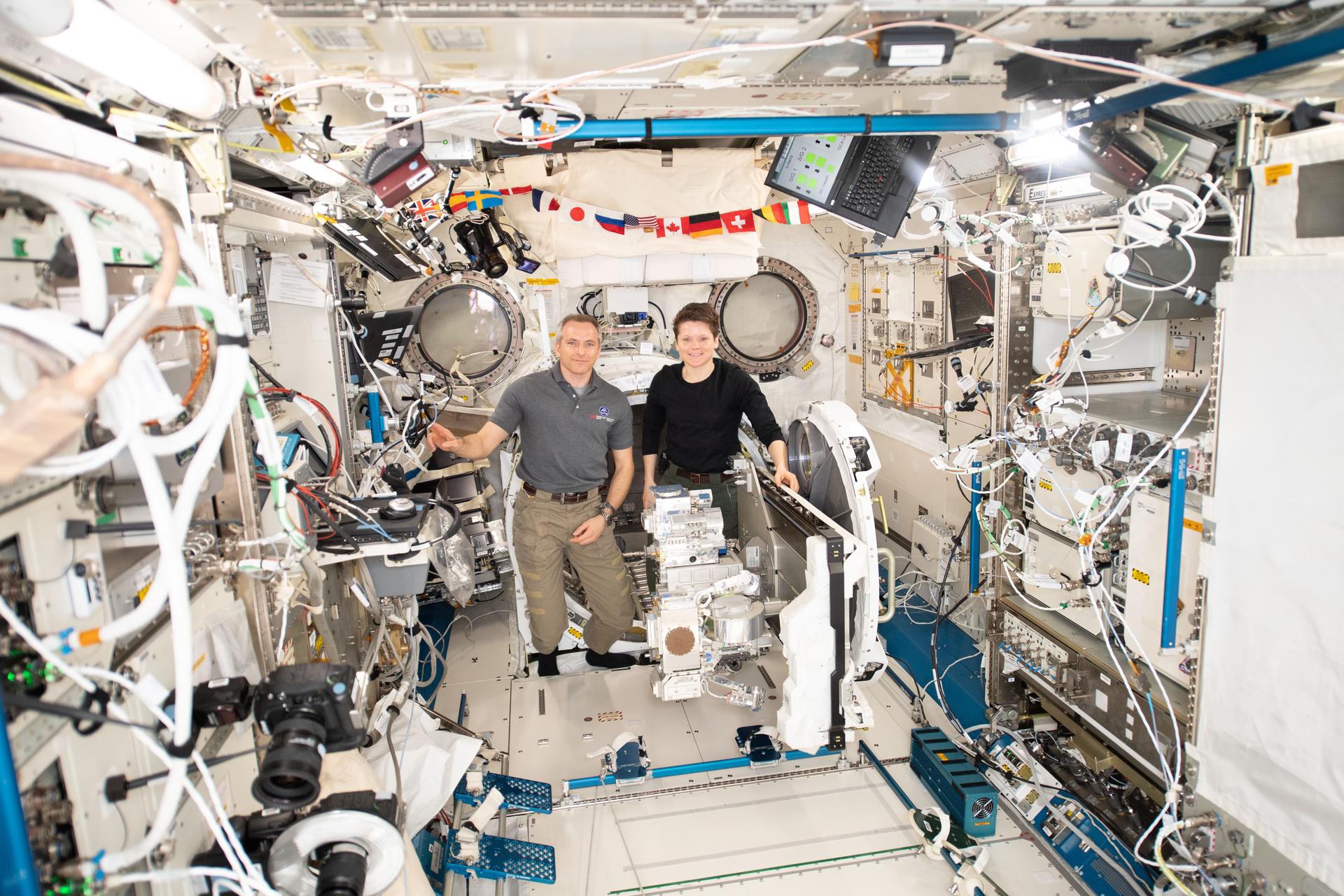
Two Astronauts, One Stubborn Wrist: NASA's June 30 Spacewalk to Fix Canadarm2
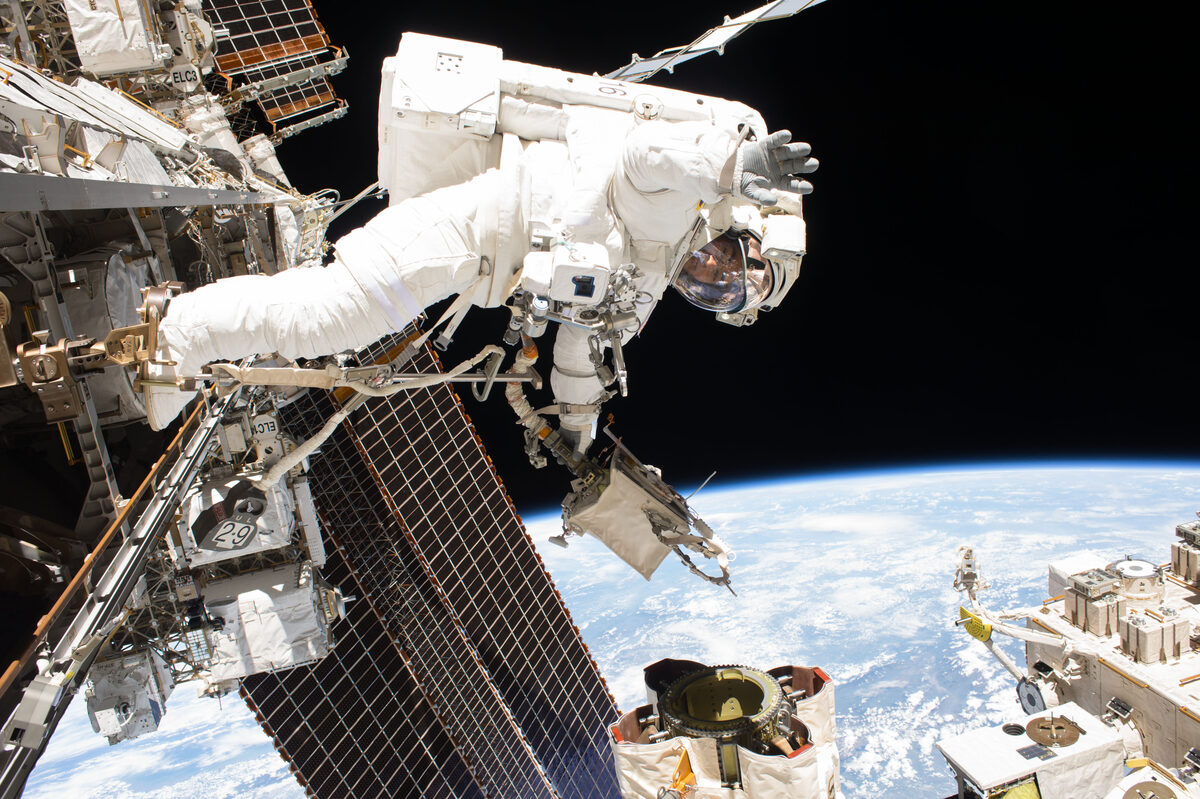
On June 30, NASA's Chris Williams and Jessica Meir will step outside the ISS to swap a failed 91-kilogram wrist joint on Canadarm2, the robotic arm that drew elevated motor current and stopped responding on May 27.
-
Astronomy
Hubble's 'Chandelier Cluster' Reveals Its Ancient Stars Formed in Two Separate Bursts
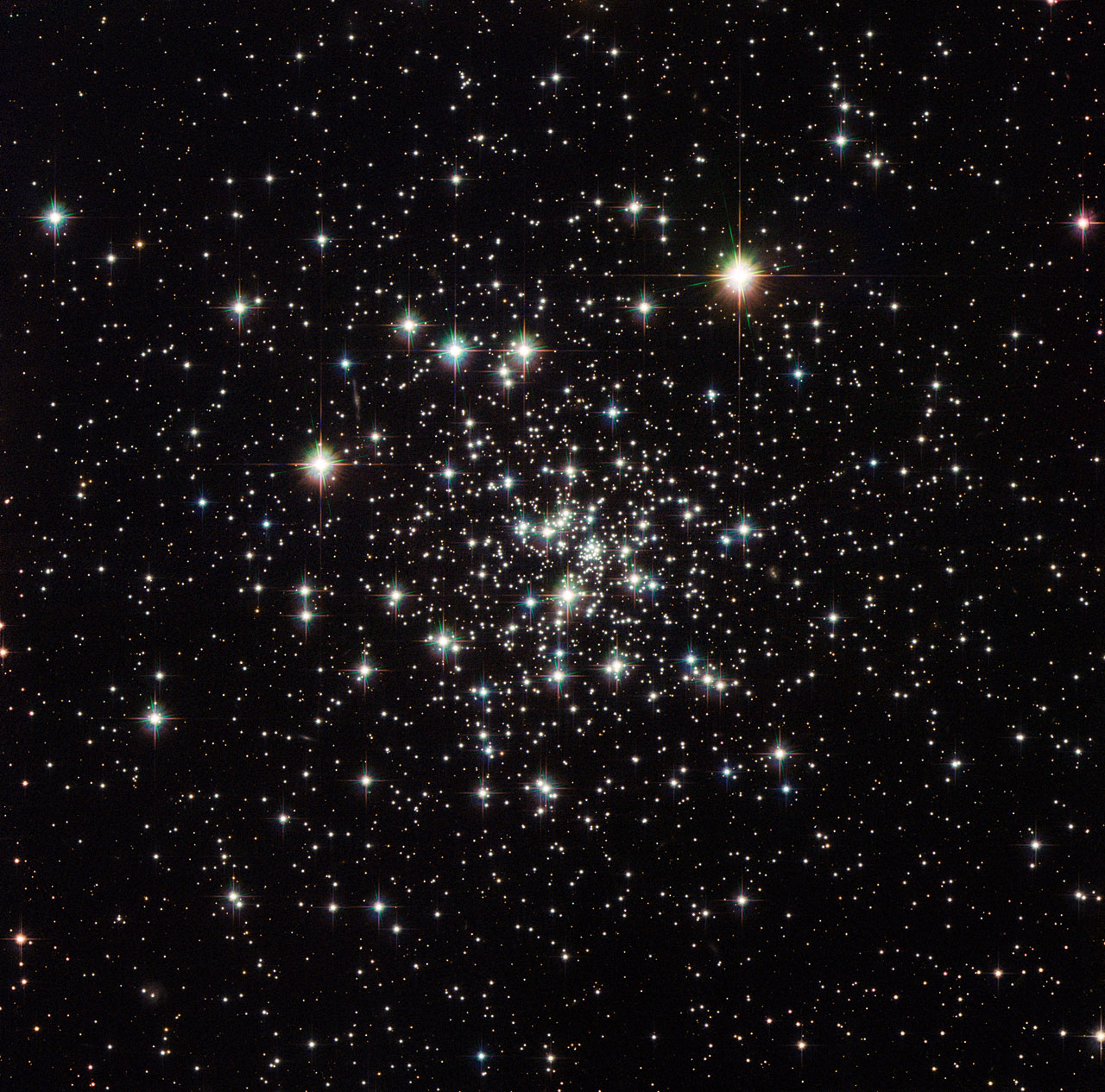
Hubble's June 2026 image of NGC 6723, the 'Chandelier Cluster,' shows its 10-billion-year-old stars formed in two closely spaced bursts — the second within 634 million years of the first — undercutting the old idea that globular clusters are single-age populations.
Page 31 of 57