
All articles
-
Missions
BepiColombo is about to become the first new Mercury orbiter in 50 years
ESA and JAXA's joint BepiColombo mission spent six years threading through the inner solar system. Its arrival at Mercury orbit will answer questions about the planet's magnetic field and mysterious dark surface that MESSENGER couldn't fully resolve.
-
Astronomy
The missing planets: why there's a gap in the size distribution of worlds around other stars
Kepler data revealed a strange gap in exoplanet sizes: planets between 1.5 and 2 Earth radii are surprisingly rare. The leading explanation involves atmospheric loss driven by stellar radiation, and JWST is now testing that theory directly.
-
Science & Discovery
Your phone's GPS is a real-time test of general relativity — and it passes every day
GPS satellites experience time dilation from both their orbital speed and their position in Earth's gravitational field. Without constant relativistic corrections, GPS would drift by kilometers per day. The system works only because Einstein was right.
-
Science & Discovery
Gravity as a telescope: how Einstein rings are mapping dark matter
Gravitational lensing bends light from distant galaxies around massive foreground objects, creating arcs and Einstein rings. Astronomers have turned this relativistic quirk into a precision instrument for weighing dark matter — and the results are reshaping cosmological models.
-
Missions
Five years of Perseverance: what the rover has actually changed about how we think about Mars
NASA's Perseverance rover has spent five years in Jezero Crater, coring ancient lake sediments and producing oxygen from thin Martian air. The science is more nuanced than the headlines suggest — and the sample cache it's building may be the most important thing it does.
-
Commercial
Private companies are landing on the Moon. Here's what the scoreboard actually looks like.
NASA's CLPS program has funded multiple private lunar landers with mixed results. Intuitive Machines stuck the landing sideways; Astrobotic's Peregrine did not reach the surface. A clearer picture of commercial lunar capability is forming, and it's more complicated than press releases suggest.
-
NASA & Agencies
Russia in space, 2026: what's left of the program after four years of isolation
Roscosmos has shed international partners, lost Soyuz commercial launch contracts, and watched its GLONASS constellation degrade. What remains is a human spaceflight program, a military reconnaissance constellation, and ambitious plans whose funding remains unclear.
-
Stargazing
Planetary nebulae: the most photogenic objects in the sky that no one talks about
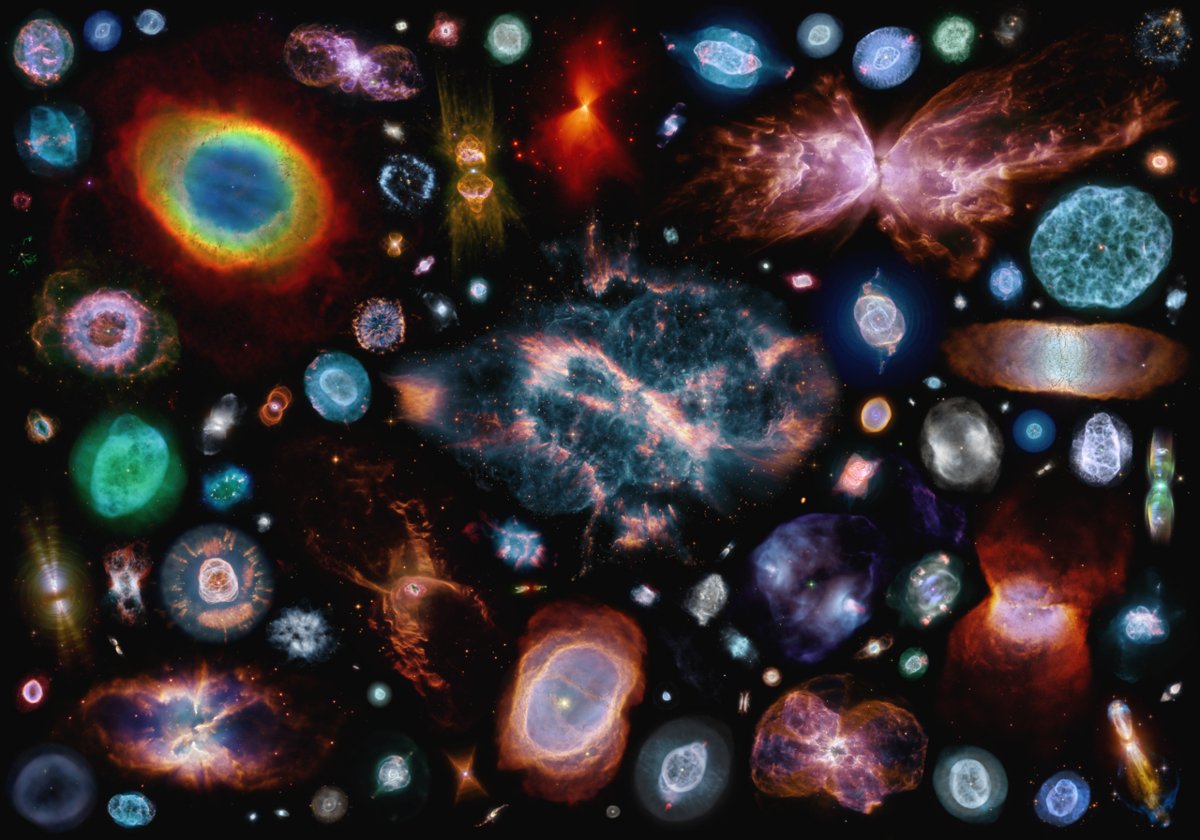
Planetary nebulae are the glowing shells left when Sun-like stars die. The Ring, Dumbbell, and Blinking Planetary are all reachable with small telescopes. Understanding what you're looking at makes them far more interesting than any photograph suggests.
-
Stargazing
America's Astronomy Clubs: A State-by-State Guide
From Stellafane in Vermont to the Houston Astronomical Society, 203 amateur astronomy clubs span all 50 U.S. states — and what they offer goes far beyond monthly meetings under the stars.
-
Commercial
The first private module is going to the ISS. It's a down payment on something bigger.
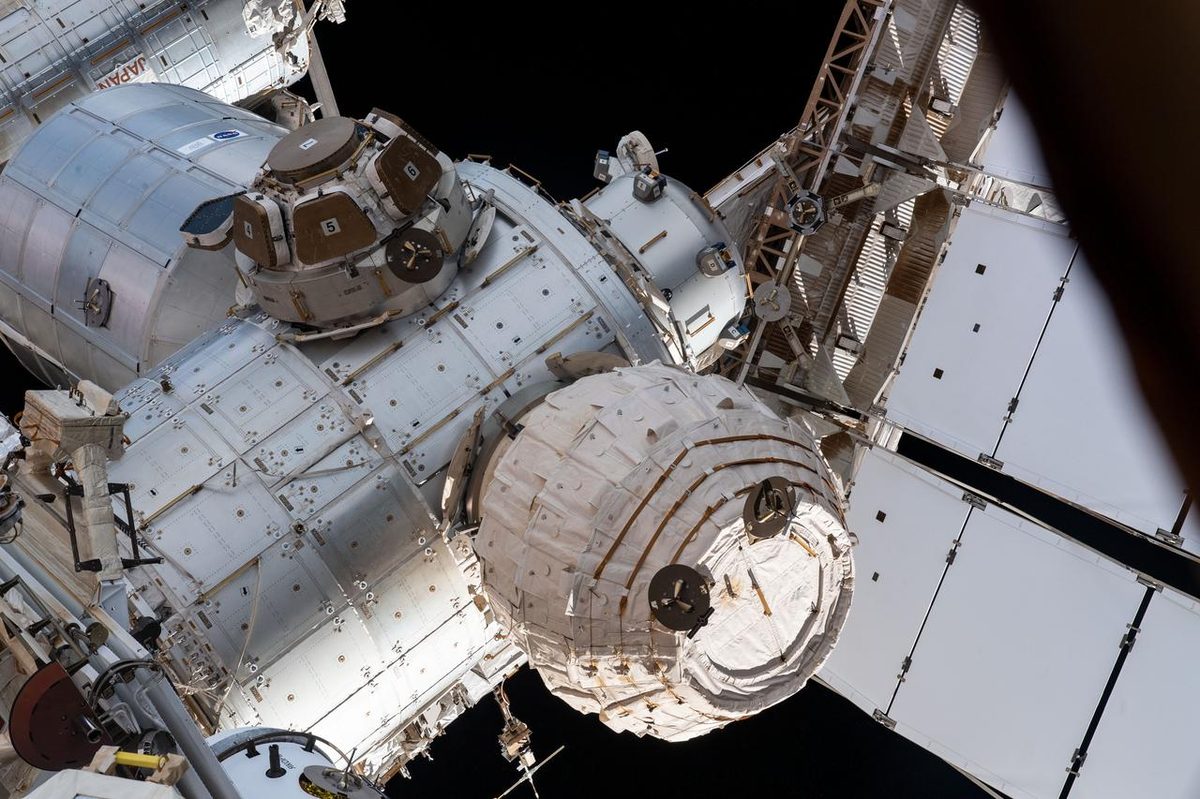
Axiom Space is attaching a commercial module to the International Space Station — and it's designed to eventually detach and operate as an independent station after the ISS is decommissioned. The module going up now is the foundation for the first fully private orbital outpost.
-
Stargazing
Double stars are the most underrated objects in the night sky
Point even a small telescope at the right patch of sky and you'll find pairs, triplets, and systems of stars orbiting each other in colors the naked eye can't see. Double star observing requires no dark sky, no special equipment, and no precise planning — just a list and a clear night.
-
Astronomy
Webb is finding brown dwarfs we didn't know existed. There may be as many as stars.
The James Webb Space Telescope's infrared sensitivity is revealing a population of brown dwarfs — objects too small to fuse hydrogen, too large to be planets — lurking near the Sun that previous surveys missed entirely. The implications for our census of the galaxy are significant.
Page 42 of 57